



Micah Jonah, March 7, 2026
Pakistan is facing growing pressure to balance its relations with Iran and Saudi Arabia as tensions escalate following the ongoing conflict triggered by strikes carried out by the United States and Israel on Iran.
The strikes, which reportedly killed Iran’s Supreme Leader, Ali Khamenei on February 28, have intensified hostilities across the region, with Iran launching missile and drone attacks on several Gulf states.
Pakistan shares a 900 kilometre border with Iran and also maintains longstanding political, economic and military ties with Saudi Arabia, placing Islamabad in a delicate diplomatic position.
The situation is further complicated by a strategic defence agreement signed in September 2025 between Pakistan and Saudi Arabia. The agreement commits both countries to treat any attack on one as an attack on both.
Shehbaz Sharif had signed the pact in Riyadh alongside Saudi Crown Prince, Mohammed bin Salman, reinforcing security cooperation between the two nations.
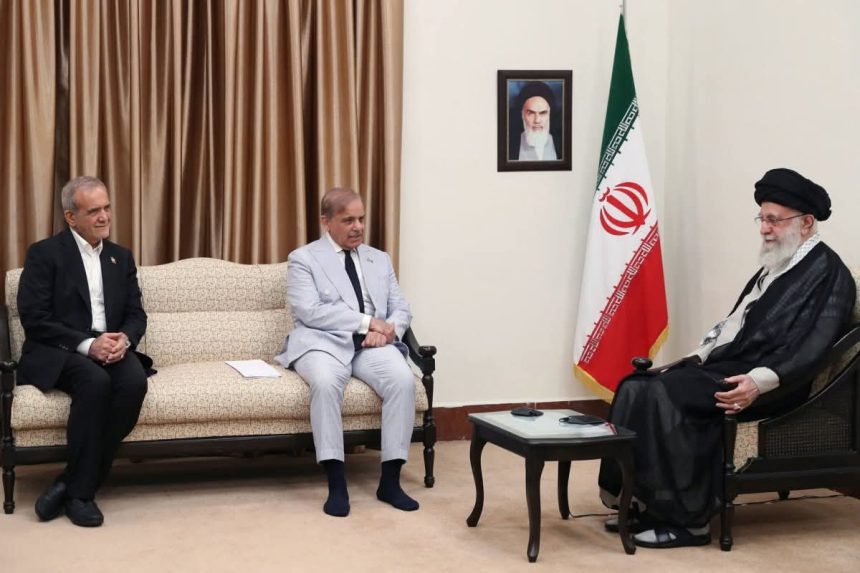
Pakistan’s Deputy Prime Minister and Foreign Minister, Ishaq Dar said the government has been in constant communication with both Tehran and Riyadh since the conflict escalated.
According to Dar, he reminded Iranian officials that Pakistan has defence commitments to Saudi Arabia while also seeking assurances that Saudi territory would not be used for attacks against Iran.
Iran’s Foreign Minister, Abbas Araghchi reportedly requested guarantees that Saudi airspace and territory would not be used to launch attacks on Iran.
Analysts say Pakistan’s attempt to maintain neutrality could become increasingly difficult if the conflict widens.
Security experts note that Pakistan could face domestic challenges if it openly supports either side. The country has a large Shia population, and protests have already occurred following reports of Khamenei’s death.
Violence linked to the protests reportedly left more than 20 people dead across parts of Pakistan, including demonstrations in Karachi.
Experts warn that Pakistan’s involvement in the conflict could also inflame sectarian tensions, affect stability in border regions such as Balochistan, which borders Iran.
Despite the tensions, analysts believe Pakistan’s most viable role for now is diplomatic engagement, using its relations with both Tehran and Riyadh to encourage de escalation.
However, they warn that if Gulf states formally request military assistance under the defence pact, Pakistan could eventually be forced to choose between two key regional partners.