By Micah Jonah, March 2, 2026
Unconfirmed reports circulating in Israeli media, among independent defence analysts claim that a senior Iranian cleric appointed to a temporary leadership role following the death of Ayatollah Ali Khamenei may have been killed in subsequent airstrikes on Tehran.
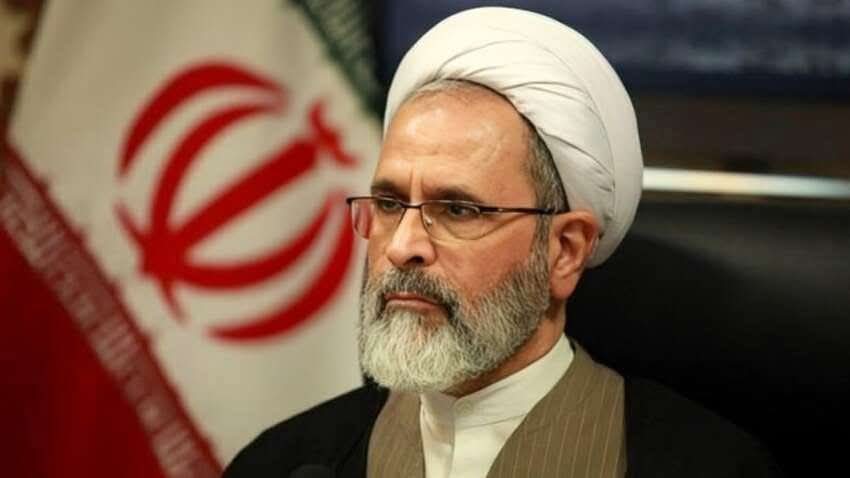
Iranian state media, including ISNA, reported on Sunday that Ayatollah Arafa had been named as the jurist member of a provisional leadership council formed after Khamenei’s death. The council comprising President Masoud Pezeshkian and Judiciary Chief Gholamhossein Mohseni Ejei was tasked with ensuring political continuity amid escalating conflict.
However, Israeli outlets and regional security commentators later reported that additional precision strikes targeted leadership compounds in central Tehran shortly after the council’s formation. Some of those reports allege that Arafa was among those killed.
As of publication, Iranian authorities have not confirmed any further leadership casualties, and there has been no independent verification of the claims.
Intensifying Air Campaign:
The alleged strike forms part of what US officials have described as an expanding military campaign against Iranian command-and-control infrastructure. President Donald Trump said “heavy and pinpoint bombing” would continue “as long as necessary,” signalling sustained operations.
US and Israeli officials say the campaign has targeted military facilities, missile sites and senior commanders. Earlier statements from US military sources indicated that dozens of high-ranking Iranian officers had been killed since the beginning of operations, though detailed casualty lists have not been independently confirmed.
Succession Uncertainty:
Under Iran’s constitution, the Assembly of Experts is responsible for selecting a new Supreme Leader. However, the speed and scale of ongoing military operations have raised questions about how and when a formal succession process could proceed.
Analysts note that while leadership strikes can disrupt command structures, Iran’s political and security institutions are designed with layers of redundancy. The long-term stability of the governing system may depend on whether surviving leadership elements can consolidate authority amid continued military pressure.
With communication disruptions and restricted access inside Iran, much of the current reporting remains difficult to verify. Observers caution that conflicting narratives are likely to persist until clearer confirmation emerges from official sources.