



By Micah Jonah
February 26, 2026
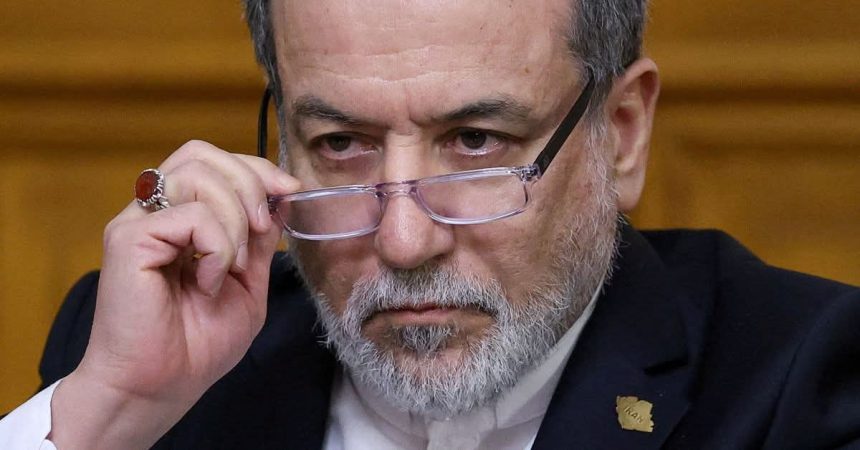
Iran’s Foreign Minister, Abbas Araqchi is once again at the centre of high stakes nuclear negotiations, seeking to secure a deal that could avert military action threatened by President Trump.
Araqchi, a veteran diplomat and key architect of Iran’s 2015 nuclear agreement with world powers, has drawn parallels between his country’s negotiating style and the patient bargaining culture of the traditional bazaar. In his 2024 book, The Power of Negotiation, he described the Iranian approach as continuous and persistent bargaining, while cautioning against pushing demands too far.
Now serving as Iran’s top diplomat since 2024, Araqchi faces what may be the most critical talks of his career. The original 2015 deal, reached during the presidency of Joe Biden’s predecessor and later abandoned by Trump in 2018, placed strict limits on Iran’s nuclear programme in exchange for sanctions relief.
Political insiders say Araqchi enjoys the full confidence of Supreme Leader Ali Khamenei, positioning him as one of the Islamic Republic’s most influential foreign ministers in recent years.
Tensions remain high in the Middle East, with U.S. forces increasing their presence in the region months after strikes on Iranian nuclear facilities. However, Araqchi has expressed optimism about reaching what he calls a “win win” diplomatic solution. In a recent interview with CBS News’ Face the Nation, he said there was no need for military buildup, adding that such pressure would not influence Iran’s stance.
Araqchi, born in Tehran in 1962, joined the 1979 Islamic Revolution as a teenager and later fought in the Iran-Iraq war before beginning a diplomatic career in 1989. He has served as ambassador to Finland and Japan, previously acted as foreign ministry spokesman and deputy foreign minister. He also holds a doctorate in politics from the University of Kent.
Despite his close ties to Iran’s leadership and long standing role in sensitive negotiations, officials describe him as measured and pragmatic, maintaining distance from factional disputes within Iran’s political system.
As negotiations resume, Araqchi’s experience and authority will be central to determining whether diplomacy can once again prevail over confrontation.