RismadarVoice Reporters
October 21, 2026
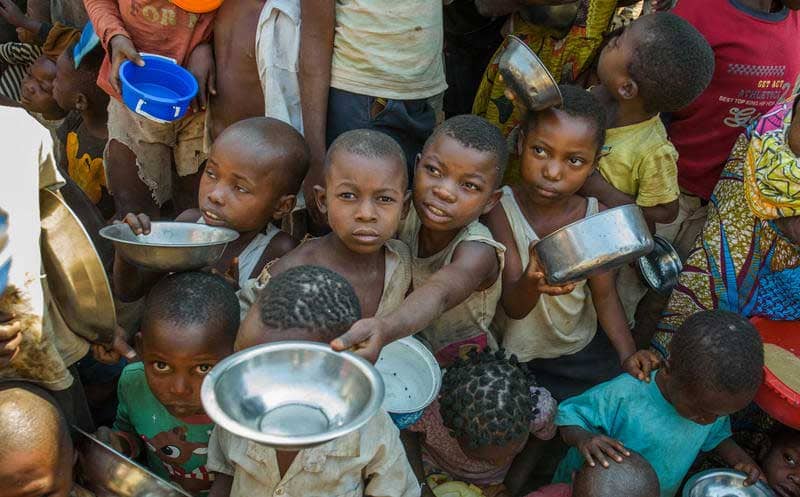
An estimated 133 million Nigerians were classified as multidimensionally poor in the 2022 National Multidimensional Poverty Index, highlighting the widespread challenges millions of households face in accessing necessities report, released by the National Bureau of Statistics (NBS) in November 2022, revealed that approximately 63 per cent of Nigeria’s population experienced multiple forms of deprivation.
The assessment was conducted in collaboration with the United Nations Development Programme (UNDP), United Nations Children’s Fund (UNICEF) and other development partners.
Unlike conventional poverty measurements that focus primarily on income, multidimensional poverty examines several aspects of people’s living conditions, including access to education, healthcare, adequate housing, clean water, sanitation, nutrition and employment opportunities.
The findings revealed that many Nigerians were experiencing hardship beyond insufficient income, with limited access to essential services significantly affecting their quality of life.
The report also identified widespread deprivation in cooking fuel, sanitation, healthcare access and food security.
Although the findings were published in 2022, they remain an important reference point in discussions about poverty, social welfare and economic development in Nigeria.

However, the figure should not be presented as a newly established poverty count for 2026 without an updated national assessment.
Recent increases in food prices, transportation costs and other household expenses have also intensified public discussion about the financial pressures confronting families.
For many households, poverty is reflected not only in how much they earn but also in their ability to afford nutritious meals, pay school fees, obtain medical treatment and maintain decent living conditions.
Economists and development organisations have consistently emphasised the importance of employment creation, improved public services, effective social protection programmes and sustainable economic growth in reducing poverty.
The challenge for policymakers remains translating economic development into measurable improvements in the everyday lives of Nigerians.
Beyond the statistics, the national poverty debate raises a fundamental question about what financial security and a decent standard of living mean to ordinary citizens.
What does poverty mean to you? Is it the inability to afford food, healthcare, accommodation and education, or does it go beyond these basic needs?
Share your experience and thoughts in the comments.