By RismadarVoice Media
December 10, 2025
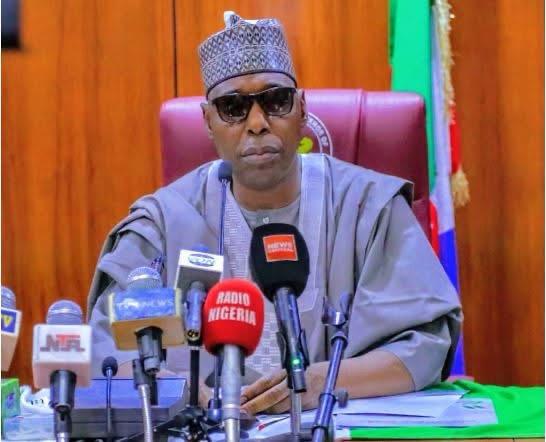
In a move that has stirred both hope and controversy, Borno State Governor, Babagana Umara Zulum, on Monday announced a N500,000 resettlement grant for every Nigerian refugee in Cameroon willing to return home, a gesture many hail as humanitarian, but others fear may be premature given lingering security threats.
Speaking at the Minawao Refugee Camp in Cameroon’s Far North region, Zulum told thousands of displaced residents that “adequate security arrangements” have been put in place across Gwoza and other affected communities, following years of military operations and civilian security initiatives.
“The welfare of refugees, internally displaced persons, and returnees remains a priority for us,” Zulum declared.
“Borno State, in partnership with the federal government, will provide N500,000 to each returning refugee, and N100,000 to women-headed households.”
The offer is aimed at helping survivors rebuild homes destroyed during Boko Haram’s decade-long insurgency, a conflict that displaced over two million people and left parts of the state in ruins.
While the governor’s promise was met with applause at the camp, it has triggered intense debate back home:
•Are communities truly safe for mass return?
•Can rebuilding grants replace long-term structural security?
•Are refugees being encouraged or pressured to return?
Some humanitarian observers warn that while money is helpful, returning people to still-volatile communities carries significant risk.
But Zulum insisted that security has improved greatly, citing expanded military presence and local vigilante efforts.
He maintained that restoring dignity and livelihood to survivors remains a central mission of his administration.
In a rare diplomatic commendation, the Governor of Cameroon’s Far North Region, Mijinyawa Bakari, publicly lauded Zulum’s commitment to displaced Nigerians.
“Governor Zulum has consistently demonstrated genuine concern for his people, even beyond Nigeria’s borders,” Bakari said.
“His interventions at Minawao Camp have strengthened cooperation between Nigeria and Cameroon.”
For years, Minawao Refugee Camp now home to over 70,000 Nigerians has relied heavily on periodic support from Zulum’s government.
During the visit, Zulum also toured farmlands allocated to refugees by the Cameroonian authorities. These lands have become their main source of food and income.
The governor pledged further support, including irrigation kits and water access to boost crop yields,?a gesture aimed at sustaining livelihoods both before and after repatriation.
“Empowering refugees to maintain their livelihoods is central to restoring dignity and ensuring a smooth transition back into their communities,” he said.
Despite improvements, many communities in Borno remain fragile. Sporadic attacks by ISWAP and remnants of Boko Haram persist, raising concerns that voluntary return might still expose families to danger.

Analysts say Zulum’s offer is both humanitarian and political, as state authorities intensify efforts to close IDP camps and restore normalcy.
Zulum’s entourage including Senator Mohammed Ali Ndume, Hon. Abdullahi Buba Abatcha, and top state officials signalled the weight of the state’s commitment.
But as refugees weigh the promise of N500,000 against the uncertainty of returning to communities scarred by war, one question hangs heavily in the air:
Is Borno truly ready for mass return or are these refugees being offered money to walk back into uncertainty?
The coming weeks will reveal whether Zulum’s offer will spur a historic homecoming or ignite a national debate on the ethics and realities of repatriating refugees in conflict zones.