RismadarVoice Reporters
February 10, 2026
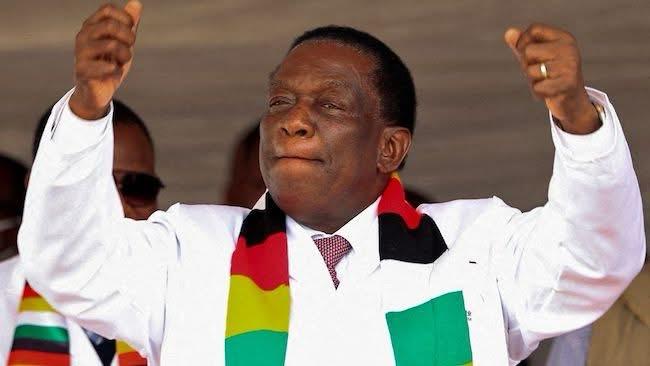
Zimbabwe’s cabinet on Tuesday approved major constitutional amendments aimed at extending President Emmerson Mnangagwa’s tenure until 2030, triggering criticism from opposition parties who insist any changes must be subjected to a national referendum.
The amendments include extending the presidential term from five to seven years and giving parliament, rather than the electorate, the power to select the president, according to a cabinet statement.
President Mnangagwa, 83, came to power in 2017 through a military-backed removal of Robert Mugabe, who ruled the country for three decades. The ruling Zanu-PF party announced plans in October to extend Mnangagwa’s tenure beyond 2028 as part of its so-called “2030 agenda.”
Justice Minister Ziyambi Ziyambi said the proposed bill would first undergo “legal scrubbing” by the attorney general before being published in the government gazette and formally introduced to parliament.
Opposition politicians and analysts warned that any constitutional amendments would require approval by two-thirds of both houses of parliament dominated by Zanu-PF as well as a national referendum, which they say the ruling party has yet to pursue.
The “2030 agenda” has drawn widespread opposition, with critics pledging to “defend the constitution against its capture.” Demonstrations against the plan have reportedly been met with police crackdowns, leaving scores of people detained.
The development marks the latest episode in Zimbabwe’s long-standing struggle over presidential power, raising concerns about democratic governance and political freedom ahead of the proposed extension.