By Micah Jonah
January 20, 2026
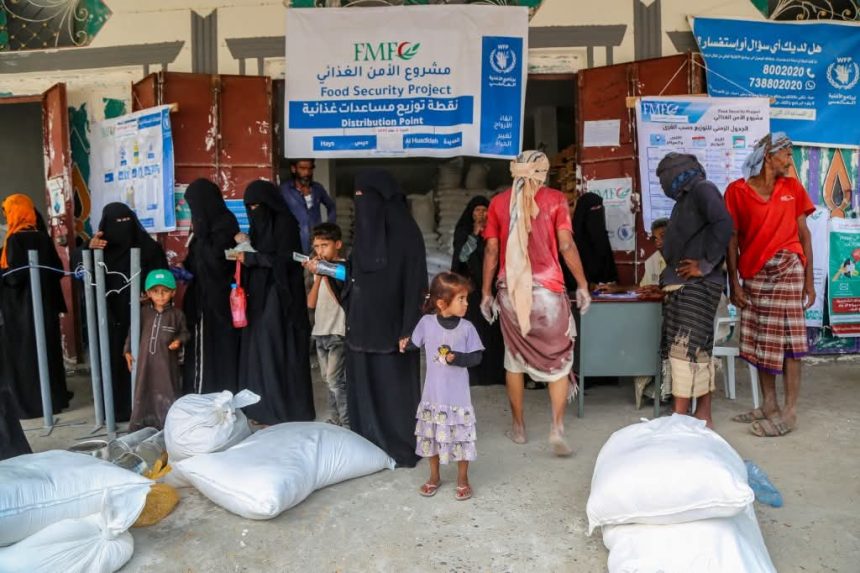
Yemen is facing its most severe food crisis since 2022, with more than half of the country’s population, estimated at about 18 million people, expected to suffer worsening hunger in early 2026, according to new humanitarian assessments.
International aid agencies warn that at least one million additional people are now at risk of life threatening food shortages, as fresh conflict, economic collapse and drastic cuts in humanitarian funding continue to push families deeper into poverty.
Latest projections from the global food security monitoring system indicate that pockets of famine could emerge in several districts within the next two months, potentially affecting over 40,000 people, a development experts describe as extremely alarming.
Years of civil war have destroyed farms, markets and health facilities, forcing millions into displacement and leaving communities dependent on food aid and emergency support. These challenges are now compounded by rising food prices, shrinking household incomes and weakening national currency, making basic food items unaffordable for many families.
Humanitarian agencies also report that funding for relief operations in Yemen has fallen to its lowest level in over a decade, with less than a quarter of the required assistance budget met by the end of 2025. Critical nutrition programmes for children and pregnant women have received less than 10 percent of needed funding.
Aid workers on the ground say many parents are now forced to skip meals or rely on wild plants to feed their children, as survival becomes a daily struggle across large parts of the country.
The worsening hunger crisis is unfolding amid renewed political and military tensions in southern Yemen, where rival armed groups backed by regional powers have clashed over territory in recent months. Analysts warn that unresolved political divisions and foreign involvement risk reigniting large scale fighting, further disrupting food supply chains and humanitarian access.
For Nigeria and other developing nations, Yemen’s experience highlights the deadly link between prolonged conflict, economic breakdown and humanitarian neglect, and the urgent need for sustained international engagement in fragile states.
Humanitarian organizations insist the situation can still be reversed if urgent funding and food assistance are restored quickly, stressing that timely intervention remains the difference between survival and catastrophe for millions of Yemeni families.