By Micah Jonah, March 14, 2026
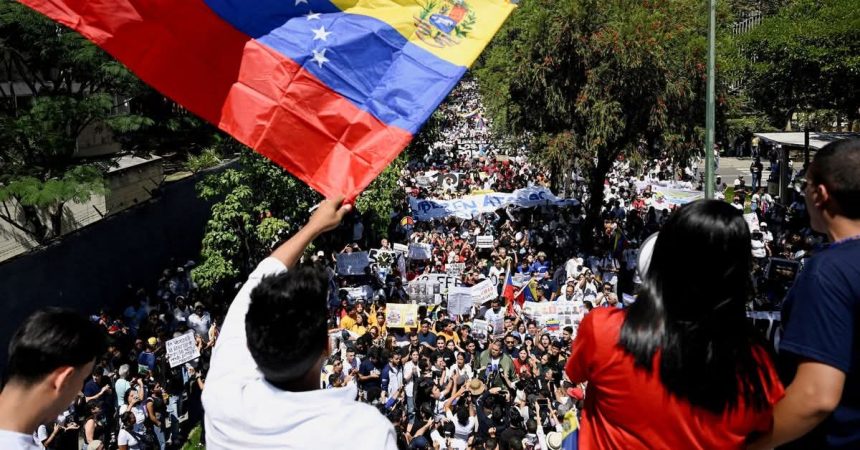
After years of oppression under Nicolas Maduro, Venezuelan university students are returning to the streets, pushing for political reform, education funding, and the release of political prisoners. The protests began after the US operation on January 3, which removed Maduro from power, sparking hope among young activists while also raising concerns about foreign involvement.
For over a decade, student activism in Venezuela carried significant risks. Demonstrators were often detained, beaten, or tortured, with enforcement by security forces and pro-government motorcycle gangs. Many students were forced out of universities by economic hardship, curtailing large-scale protests in 2019, 2024, and early 2025.
Now, a new generation, aged 22–27, is stepping forward. Students like Paola Carrillo and Miguelangel Suarez are demanding free and fair elections, repeal of oppressive laws, and higher salaries for professors, who earn as little as $4 a month. Suarez recounted confronting interim President Delcy Rodriguez directly during a campus event, symbolizing the shift in student confidence.
While the students generally support the removal of Maduro, many are wary of US involvement, wishing the transition had been more democratic and homegrown. Some, like Jose Castellanos, who was detained for months on charges he denies, view their activism as a personal journey from fear to empowerment.
Experts note that students, about 1.3 million eligible voters, could play a pivotal role in shaping Venezuela’s political future. As the country emerges from the Chavismo era, students are reclaiming both their campuses and the streets, advocating for democracy, justice, and a renewed national dialogue.