By Micah Jonah
January 29, 2026
Several Democratic led states in the United States are pushing new laws that would allow residents to sue federal immigration agents for alleged civil rights violations, following growing public anger over the conduct of Immigration and Customs Enforcement during recent operations.
Illinois became the first state to pass such a law last month, allowing people to file civil lawsuits in state courts against federal agents who knowingly violate constitutional rights while enforcing immigration laws. The administration of President Donald Trump has already filed a lawsuit to block the law, arguing that it violates the US Constitution.
Similar proposals are now being considered in states including California, New York, Virginia, Maryland and Connecticut, as lawmakers seek to close what they describe as an accountability gap for misconduct by federal officers.
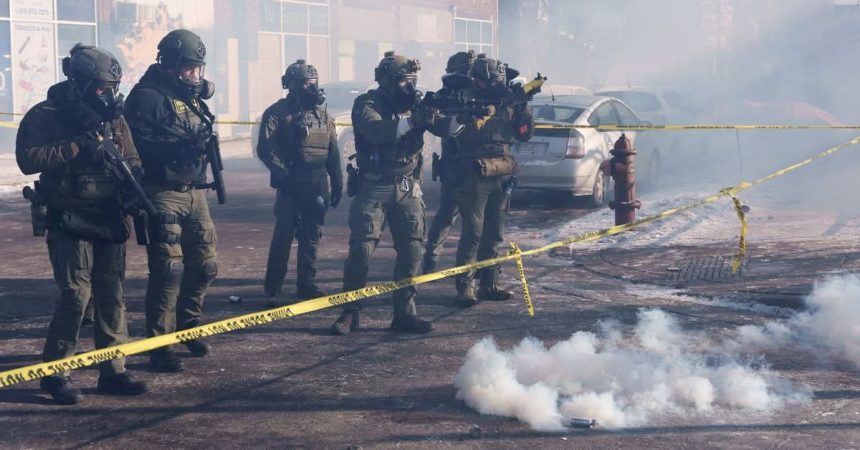
The renewed push comes after the deaths of two people, Renee Good and Alex Pretti, during ICE operations in Minneapolis this month, as well as reports of rough enforcement tactics that sparked protests in several cities.
New York Governor, Kathy Hochul said earlier this month that her administration would move to allow New Yorkers to hold ICE agents accountable in court when they act outside the scope of their duties.
The US Department of Homeland Security rejected the criticism, saying its officers follow the law and the Constitution while carrying out their duties. A spokesperson accused some state leaders of unfairly attacking law enforcement personnel.
Supporters of the state laws say current federal legislation does not allow individuals to directly sue federal officers for constitutional violations, unlike state and local police who can be sued under an existing civil rights law known as Section 1983.
Although victims can seek compensation from the US government under the Federal Tort Claims Act, that process does not allow lawsuits against individual officers and is often described by lawyers as slow and complex.
Legal experts say the new state measures could lead to a major shift in how federal law enforcement is held accountable, though they warn that parts of the laws may face constitutional challenges under the Supremacy Clause, which gives federal law priority over state law.
The Justice Department has signaled it will challenge any similar laws passed by other states, and legal analysts say the matter could eventually reach the US Supreme Court.
In California, a bill known as the No Kings Act has already passed a state Senate committee and is awaiting further legislative approval before it can be sent to Governor Gavin Newsom for signing.