By Micah Jonah
January 22, 2026
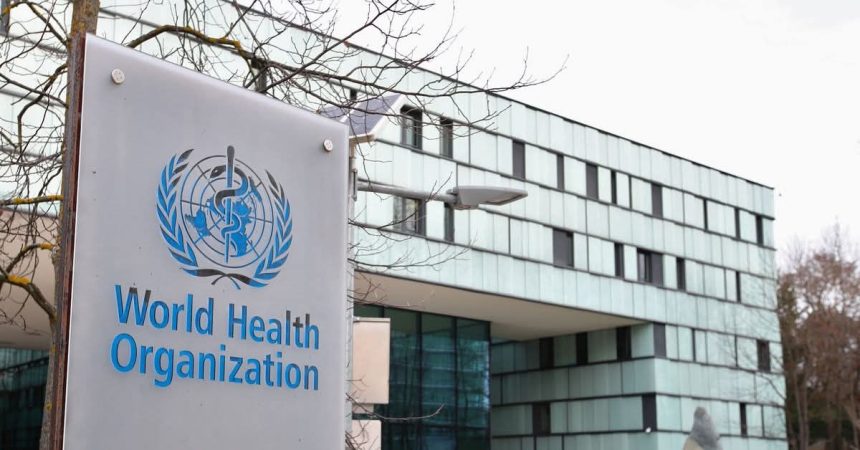
The United States is expected to formally withdraw from the World Health Organization today, a move that global health experts warn could weaken both domestic and international disease response systems.
President Donald Trump issued an executive order at the start of his new term in 2025 directing the country to leave the UN health agency. Under existing law, a one year notice period and settlement of all outstanding financial obligations are required before withdrawal can be completed. However, officials say the US still owes about $260m in unpaid contributions for previous years.
A spokesperson for the State Department said the administration believes the Organization failed in its responsibilities during past global health emergencies, confirmed that future transfers of government funds and support have been halted. The spokesperson added that American taxpayers have already contributed enough to the agency.
The World Health Organization confirmed that outstanding payments remain unpaid, said member states will discuss how to handle the US departure during the next executive board meeting scheduled for February. Director General Tedros Adhanom Ghebreyesus recently appealed for reconsideration, stating that leaving the organization would harm both the United States and the global community.
Legal and public health experts argue that proceeding without settling outstanding dues may conflict with domestic law. Lawrence Gostin, a Professor of global health law at Georgetown University, said the decision could weaken international cooperation on disease surveillance and emergency response.
Major health donors are also expressing concern. Bill Gates, chair of the Gates Foundation, said he does not expect a policy reversal in the near future but stressed that the world still needs a strong and functional World Health Organization.
The financial impact on the agency is already being felt. Officials say budget cuts have forced a reduction in management positions and a scaling down of several health programs. The Organization is also preparing to reduce its workforce by roughly one quarter before the middle of the year due to funding shortfalls.
Health policy analysts warn that reduced collaboration could limit information sharing, slow emergency alerts, and weaken preparedness for future outbreaks, creating risks not only for developing countries but also for wealthier nations that rely on early warning systems.
Despite the political tension, the World Health Organization says it remains open to continued technical cooperation where possible, although the long term framework for collaboration remains uncertain.