By Micah Jonah, February 26, 2026
Negotiators from Iran and the United States are set to hold a third round of indirect nuclear talks in Geneva, as tensions escalate across the Middle East. The discussions come amid a significant US military build up in the region and warnings from several governments advising their citizens to leave Iran.
Iranian Foreign Minister, Abbas Araghchi said Tehran had received encouraging signals ahead of the negotiations but stressed that success would require seriousness from Washington and an end to contradictory positions. Araghchi reiterated that Iran would negotiate with determination to reach a fair agreement in the shortest possible time.
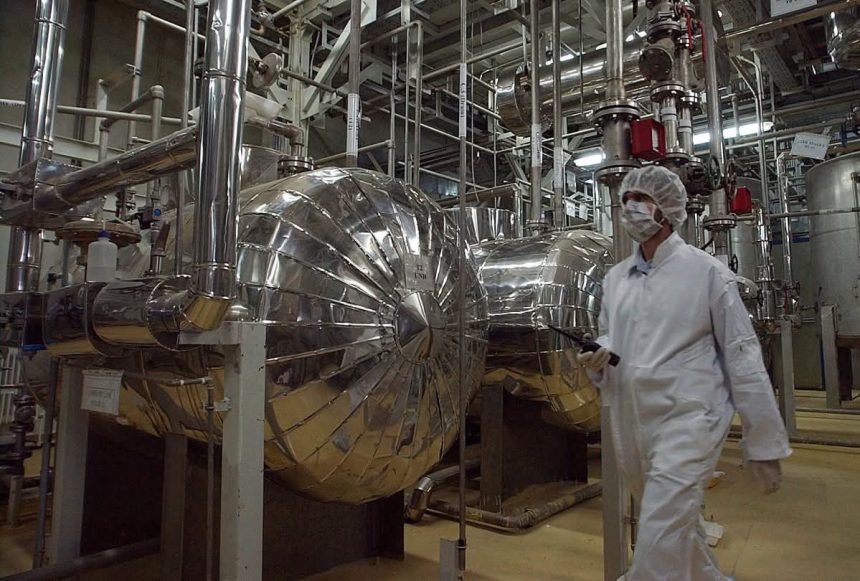
US Secretary of State, Marco Rubio said President Donald Trump prefers diplomacy, though he accused Iran of attempting to rebuild elements of its nuclear programme. Rubio claimed Iran is seeking the capability to enrich uranium again, while maintaining ballistic missile systems capable of targeting US assets and allies in the region.
Iran has denied developing missiles capable of reaching the US mainland, insists its missile programme is defensive. Araghchi dismissed Trump’s recent claims that Tehran is building long range missiles, saying Iran has deliberately limited the range of its indigenous missiles to 2,000 kilometres.
Ahead of the talks, Washington imposed new sanctions targeting vessels, companies and individuals it says are involved in Iranian oil sales and weapons procurement. US officials argue the measures are designed to cut funding for Iran’s missile and nuclear activities and to increase leverage at the negotiating table. Tehran describes the sanctions as unlawful pressure on its energy sector.
Previous rounds of talks in Oman and Geneva reopened diplomatic channels, however produced no major breakthrough. While Washington has sought to broaden discussions to include Iran’s missile stockpile and regional activities, Tehran has said negotiations must focus strictly on nuclear restrictions in exchange for sanctions relief and has rejected demands for zero uranium enrichment.
A recent poll by The Associated Press and the NORC Center for Public Affairs Research found that most Americans remain concerned about Iran’s nuclear programme, though a majority expressed little trust in Trump’s judgment regarding potential military action.
The outcome of this third round of talks is widely seen as critical in determining whether or not diplomacy can advance the standoff risks escalating further.