By Micah Jonah
January 13, 2026
The United States military is facing fresh war crime allegations following claims that one of its aircraft was disguised as a civilian plane during a deadly strike on a suspected drug smuggling boat linked to Venezuela.
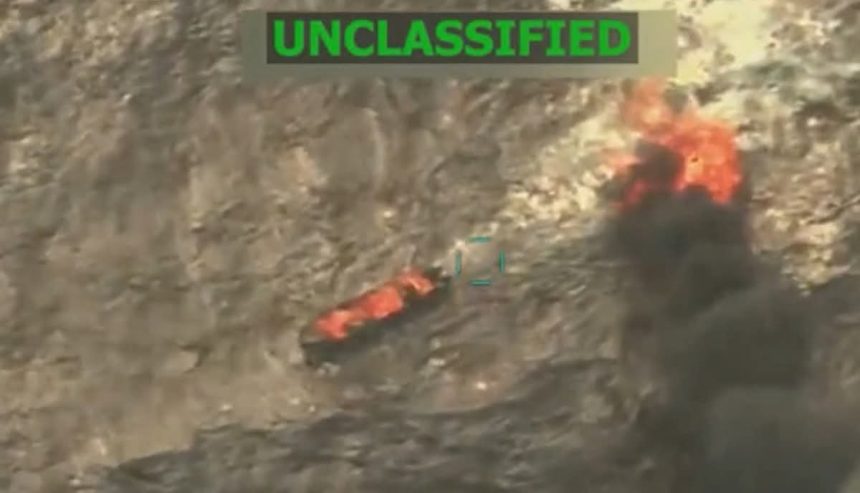
According to a report by The New York Times, the aircraft involved in a September 2 strike was allegedly painted to resemble a civilian plane, with its missiles concealed inside the fuselage rather than mounted visibly on the wings. Legal experts say such deception could violate international humanitarian law.
The strike was part of a broader boat bombing campaign launched by President Donald Trump in the southern Caribbean Sea. Trump announced at the time that the operation killed 11 people he described as narcoterrorists.
The New York Times report argues that disguising a military aircraft as civilian could amount to perfidy, a prohibited act under the laws of armed conflict. A retired US Air Force deputy judge advocate general, Major General Steven Lepper, said concealing military identity in combat operations could constitute a war crime.
There was no immediate response from the White House following publication of the report.
Sources cited by the newspaper said the aircraft lacked military markings, although its transponder reportedly transmitted a military tail number. The report did not identify who authorised the aircraft’s appearance.
Human rights experts have repeatedly criticised the boat bombing campaign, describing it as extra judicial killing and a violation of international law. Drug trafficking is classified as a criminal activity, not an armed conflict under international law.
The Trump administration has defended the strikes, arguing they are necessary to stop illicit drugs from entering the United States. In a memo to Congress, Trump described the campaign as part of a non international armed conflict with drug cartels, a claim legal experts dispute.
Further controversy surrounds the September 2 strike after reports suggested it involved a second missile attack that killed two survivors clinging to wreckage. International law prohibits attacks on shipwrecked individuals, even during wartime.
The New York Times report raises questions about whether those survivors believed the approaching aircraft was civilian and therefore did not attempt to flee.
Subsequent strikes reportedly used clearly marked military aircraft, including MQ 9 Reaper drones.
Since September, at least 35 strikes have been carried out in the Caribbean and eastern Pacific, with reports indicating over 110 people killed.
The allegations add to growing scrutiny of US military tactics in the region and raise renewed concerns over accountability and adherence to international law.