By Micah Jonah
January 28, 2026
The U.S. Equal Employment Opportunity Commission is considering changes to rules that protect pregnant workers, raising concerns among advocates that the revisions could limit workplace accommodations for expectant mothers.
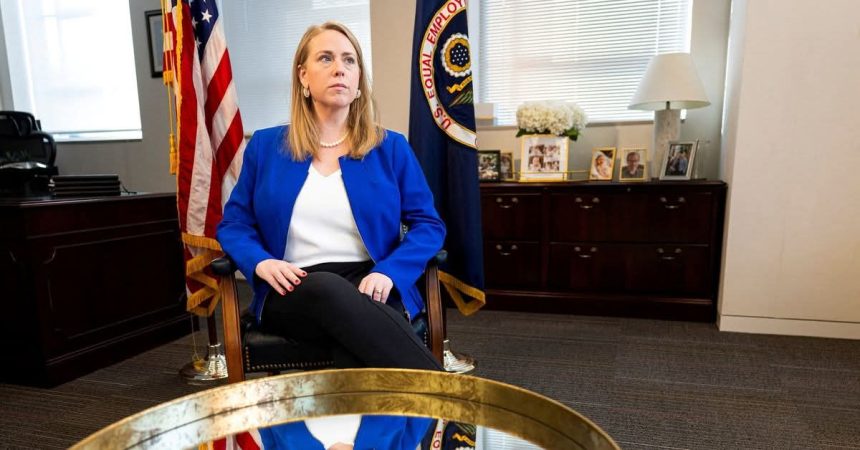
The 2022 Pregnant Workers Fairness Act requires employers to reasonably accommodate pregnancy-related needs. However, Republican EEOC Chair, Andrea Lucas, who has led the agency since November, has signaled plans to narrow the scope of these regulations, which she described as too broad in 2024.
Lucas told Reuters that previous rules encompassed any issue related to the female reproductive system, potentially including procedures like abortions and in vitro fertilization, which may now be removed. While basic pregnancy accommodations remain under review, experts worry that narrowing the rules could reduce protections and limit legal remedies for affected workers.
Cases such as that of Kennisha, an assistant manager at a Sonic fast-food outlet in Dayton, Ohio, highlight the stakes. Nearly three months pregnant, she was allegedly denied the use of a chair to ease nausea, which other employees were allowed to use for smoke breaks. She quit and found a new job but said the experience continues to weigh on her.
Another case involves Willamina Barclay, 38, who faced high-risk pregnancy complications while employed at an Amazon warehouse in Rochester, New York. Barclay’s requests for lower-stress assignments were allegedly denied, and she was eventually fired for overusing unpaid time off. Barclay, now unemployed with a newborn, continues to wait for EEOC mediation and potential investigation.
Critics warn that Lucas’ conservative approach could shift the EEOC’s focus to other priorities, potentially leaving pregnancy-related cases unresolved. Democratic Commissioner Kalpana Kotagal said weakening the PWFA protections is misguided, noting that such accommodations have been shown to reduce miscarriage rates.
EEOC data shows about 2,700 pregnancy-related complaints were filed in fiscal year 2024. Lucas, however, highlighted that her tenure has seen an increase in lawsuits addressing pregnancy and postpartum discrimination.
Advocates emphasize that pregnancy accommodations remain essential for worker safety and family well-being, and any reduction in protections could have far-reaching consequences for employees across the country.