By Micah Jonah
January 7, 2026
The United States Supreme Court is expected to rule on the legality of tariffs imposed by President Donald Trump, a decision that could have significant implications for the U.S. economy and global trade.
The court added a non argument conference date to its schedule this week, signalling that a ruling may be issued, although the justices do not announce in advance which decisions will be released.
The case has drawn widespread attention amid growing debate over presidential authority and economic policy. Critics argue that the power to impose tariffs rests with Congress, not the executive branch.
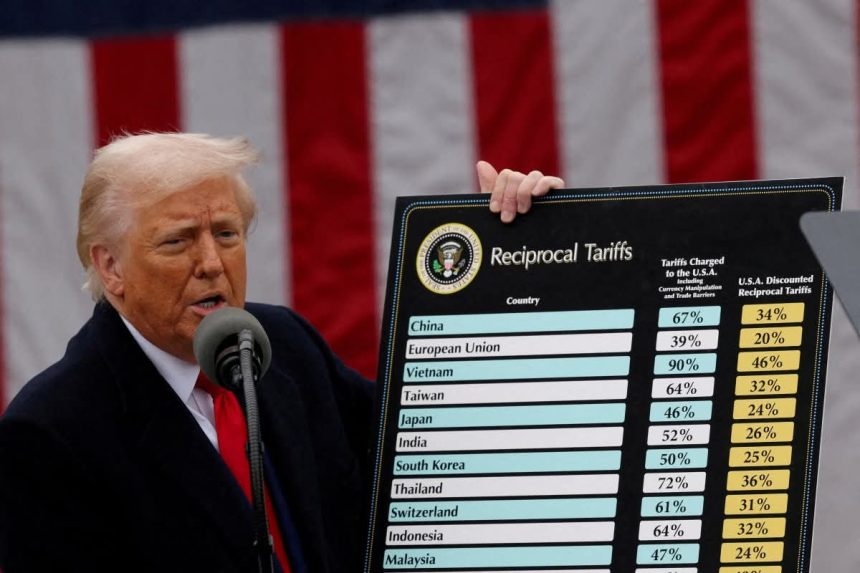
President Trump has defended the tariffs, warning that an adverse ruling would weaken the country financially, undermine national security. He has maintained that the measures have strengthened the U.S. economy, increased international respect for the country.
Economic data linked to the tariffs show mixed outcomes. U.S. gross domestic product grew by 4.3 percent in the third quarter of 2025, the strongest growth in two years. However, employment growth has slowed in sectors heavily exposed to imports, with analysts suggesting that tariffs may have constrained hiring.
The legal challenge centres on the administration’s use of the International Emergency Economic Powers Act, which was invoked in February 2025 to justify the tariffs based on what the White House described as a national trade emergency.
During oral arguments in November, several Supreme Court justices expressed concern over whether the law grants the President such broad authority. Lower courts, including the Court of International Trade, a federal appeals court in Washington, have already ruled against the administration, stating that Congress has exclusive authority to regulate commerce.
Legal analysts believe the Supreme Court is likely to uphold those decisions. If the administration loses the case, the government could be required to refund a portion of the tariffs collected. Senior officials have indicated that alternative legal options may be considered, should the ruling go against the White House.