RismadarVoice Reporters
January 7, 2026
The United States faces a tense standoff over the recent military abduction of Venezuelan President, Nicolas Maduro, raising questions about Congress’s role in authorizing military action abroad.
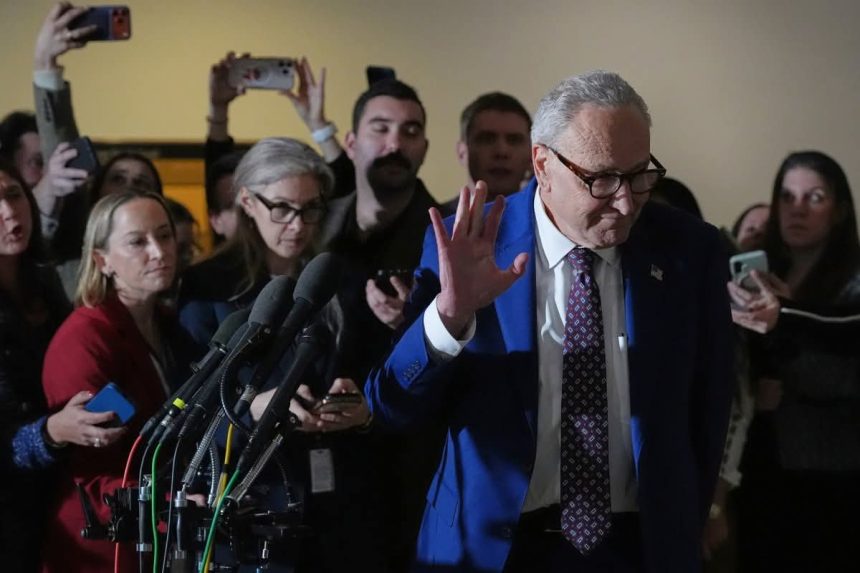
Hours after the operation on Saturday, Senate Democrats pledged to push a resolution to rein in President Donald Trump’s military authority. Senate Minority Leader Chuck Schumer said the party would seek a vote within the week, though experts suggest its chances of success are slim.
Since beginning his second term in 2025, Trump has repeatedly conducted unilateral military operations, including strikes on alleged drug-smuggling vessels near Venezuela and Colombia.
Legal analysts describe the latest operation as a stark example of presidential overreach, a potential violation of international law.
According to David Janovsky, acting director of the Constitution Project at the Project on Government Oversight, Congress alone has constitutional authority to approve military action. He said the abduction of Maduro contradicts the United Nations Charter, called the operation “particularly brazen.”
The Trump administration has maintained that the operation was a law enforcement matter, not an act of war, and warned of a possible second wave of military actions against Venezuela.
The administration has also indicated that strikes on suspected drug-smuggling boats will continue, with U.S. military assets remaining deployed in the region.
Congressional response has been mixed. Recent votes in the House and Senate requiring congressional approval for further strikes failed largely along party lines. Some Republicans, including Senators Rand Paul and Lisa Murkowski, broke ranks in support, while Democrats warned of the risks of continued presidential unilateralism.
Senator Tim Kaine said Trump’s actions should prompt Congress to exercise oversight, noting that months of military build-up in the Caribbean can no longer be dismissed as a bluff. Senator Chris Murphy added that past presidents, including Barack Obama, acted without adequate congressional checks, highlighting a pattern of congressional abdication.
Meanwhile, some members of Congress have focused on Maduro’s removal rather than the legality of the operation itself.
Florida Democratic Representative Debbie Wasserman Schultz emphasized the need for clarity on Venezuela’s transition but avoided commenting directly on the military operation. Republican Senator Todd Young praised Maduro’s arrest while calling for more transparency on next steps.
Observers say the abduction underscores the growing tension between executive power and legislative oversight. Experts warn that continued inaction by Congress could set a precedent, allowing future presidents to act without constraint, further distancing the American public from decisions over military engagement abroad.