Micah Jonah
February 2, 2026
Syrian government security forces on Monday began deploying in the Kurdish controlled city of Hasakah in northeastern Syria, marking an initial step towards implementing a United States backed ceasefire agreement aimed at integrating Kurdish run regions with the central government in Damascus.
The deployment follows a deal announced on Friday that averted the risk of renewed confrontation between the government of President Ahmed al Sharaa and the Kurdish led Syrian Democratic Forces. The SDF had lost large areas of eastern and northern Syria to government troops in January.
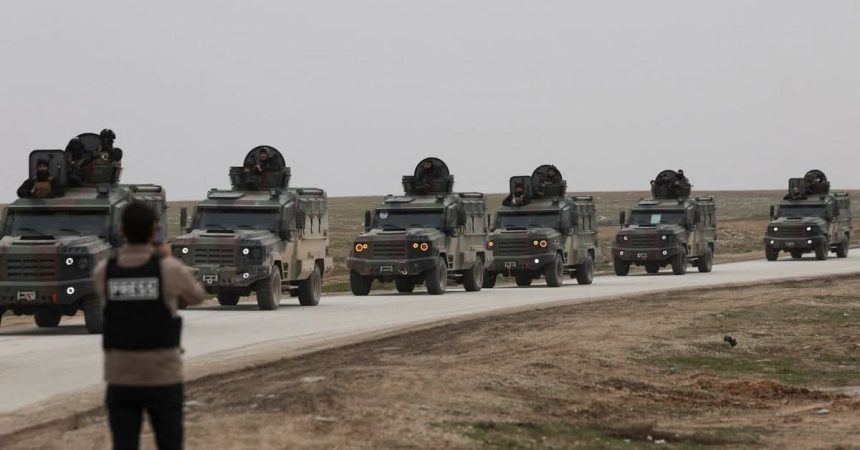
Reuters journalists witnessed a convoy of more than 30 Interior Ministry vehicles moving into Hasakah from the city’s outskirts in the early afternoon. Sources in the city confirmed that the convoy entered shortly afterward, while members of the Kurdish Asayish security force observed the movement.
According to a Syrian official and a Kurdish security source, government forces are expected to be stationed in state buildings within Hasakah’s designated security zone. The agreement provides for a phased integration of Kurdish fighters into government forces, a process the United States has described as a historic step toward unity and reconciliation after 14 years of civil war.
The Syrian Democratic Forces had previously been Washington’s main local ally in the fight against Islamic State militants. However, their position weakened as US President Donald Trump strengthened ties with Sharaa, a former al Qaeda commander who has since consolidated government control over most of the country.
The deal includes plans to form a new military division comprising three SDF brigades, along with a separate brigade for forces in the SDF held town of Kobani, also known as Ain al Arab, which would be linked to the state controlled governorate of Aleppo. State television reported that a convoy of aid trucks also entered Ain al Arab on Monday.
The agreement further the merger of governing bodies in SDF held areas with state institutions. Syrian state news agency SANA said Interior Ministry forces had begun deploying in rural areas near Ain al Arab as part of the arrangement.
SDF commander, Mazloum Abdi said only a limited number of government security personnel would enter security zones in Hasakah and Qamishli, another SDF held city near the Turkish border, stressing that their role would be administrative and focused on overseeing integration. He added that Kurdish villages and cities would remain under local administration and control.
Nawar Rahawi, director of the government affiliated Hasakah media centre, said between 125 and 150 security personnel entered the city on Monday, with additional vehicles expected if the process proceeds smoothly. He expressed hope that the integration of the SDF with government forces would begin without incident.
Analysts, however, say uncertainties remain. Noah Bonsey of the International Crisis Group noted that statements from both sides suggest gaps over how integration will work in practice, including the level of autonomy Kurdish forces may retain and the extent of government command and control on the ground.