By Micah Jonah, March 4, 2026
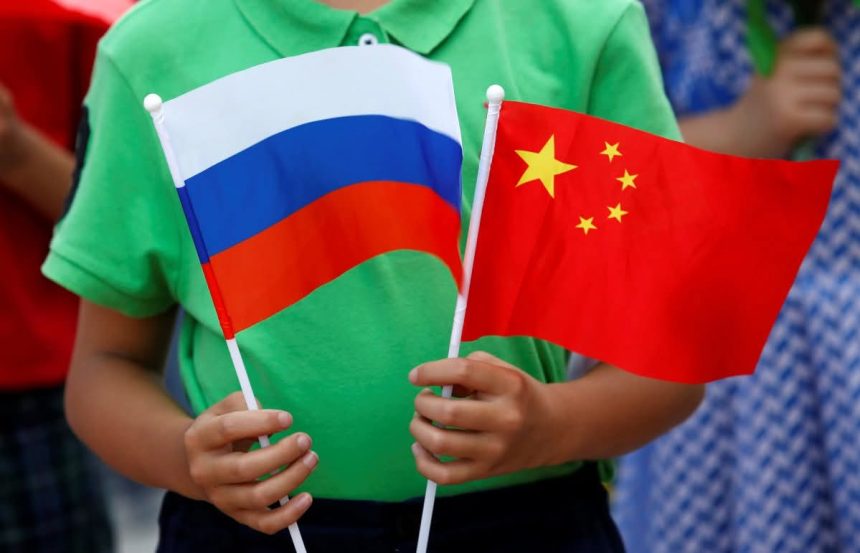
Russia and China have openly condemned the ongoing United States and Israeli military strikes on Iran, warning that the attacks could worsen tensions in the Middle East, trigger dangerous nuclear proliferation across the region.
The governments of Russia and China accused Washington and Tel Aviv of escalating the crisis at a time diplomatic talks were reportedly making progress.
China’s Foreign Affairs Minister, Wang Yi, in a telephone conversation with Israel’s Foreign Minister, Gideon Saar, said the military action interrupted negotiations that had addressed key security concerns.
According to a statement from Beijing, Wang called for an immediate ceasefire to prevent further breakdown of law and order in the region.
“Force cannot truly solve problems; instead, will bring new problems and serious long-term consequences,” Wang reportedly stated. He also urged Israel to ensure the safety of Chinese nationals and businesses currently in Iran.
China’s diplomatic moves followed earlier discussions with officials from Iran, Oman and France as Beijing seeks to calm rising tensions.
Russia Raises Alarm Over Nuclear Risk:
On its part, Russian Foreign Minister Sergey Lavrov criticised the strikes, saying there is no concrete evidence that Tehran is building a nuclear weapon.
Lavrov warned that continued bombardment could push Iran toward pursuing nuclear capability as a form of deterrence.
“The logical consequence could be that forces will emerge in Iran in favour of acquiring a nuclear bomb,” he said during a press briefing.
He further cautioned that other Arab nations might also consider developing nuclear weapons if the conflict continues unchecked, thereby creating a wider arms race in the Middle East.
Russia maintained that it is ready to support diplomatic solutions while rejecting what it described as unprovoked aggression against a sovereign state.
Tension Deepens in Middle East:
The development comes as fighting between US-Israeli forces and Iran continues to spark global concern over security, oil supply disruptions and possible humanitarian fallout.
With global powers now taking clear positions, analysts warn that the crisis could reshape alliances and further strain international relations if urgent diplomatic efforts fail.
The situation remains tense as the world watches for the next move.