By RismadarVoice Reporter
December 6, 2025
At dawn in Kiba Ruwa, a small community in Sabon Birni, Sokoto State, men gathered for the most sacred of early rituals, the Subh prayer.
Mats were laid. Heads bowed. Hearts quieted.
Then the gunfire began.
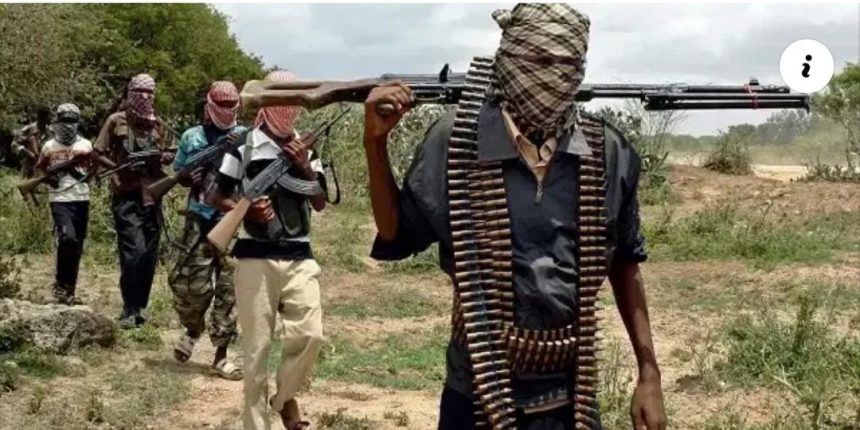
Bandits stormed the mosque and opened fire on worshippers in the very act of devotion.
Within minutes, faith turned to fear, prayer to panic. The imam leading the prayer was killed, along with another worshipper.
Several others were taken away into the bush, their names still unknown, their families suspended in terror between hope and despair.
For the people of Kiba Ruwa, the mosque, once a sanctuary, has become a crime scene. A place of peace now haunted by sound of gunshots.
This attack is not an isolated horror. Just weeks ago, Government Girls’ Comprehensive Secondary School, Maga, in Kebbi State, was invaded.
26 schoolgirls were abducted. A staff member was killed. And behind that tragedy lies a question that refuses to go away:
Why were soldiers withdrawn from the school hours before the attack?
The Kebbi State Governor, Nasir Idris, says earlier intelligence had warned of an impending attack.
He convened a security meeting. He was assured action had been taken. Troops were deployed.
Then, according to his account, the soldiers left by 3:00am. By 3:45am, the bandits struck. The timing haunts the national conscience.
These incidents trigger uncomfortable conversations but they are conversations a nation in crisis must have:
Why are security deployments suddenly withdrawn from high-risk locations without clear public explanation?
•Who authorises these pullouts?
•Is Nigeria fighting banditry, or reacting to it?
When a mosque can be attacked at dawn, and a school can be left defenceless in the face of clear intelligence, something deeper than “security lapses” is at play.
After the Kiba Ruwa attack, security agencies were reportedly alerted. Search and rescue efforts are said to be underway.

But this begs a painful question many victims’ families now ask in silence: Why does help always come after the blood has been spilled?
In a nation that spends billions on defence, rural communities still feel abandoned, left to pray, study, sleep, and hope without protection.
These attacks are more than statistics. They are messages of insecurity written in blood:
•A mosque attacked during prayer.
•A school emptied of its girls in the dead of night.
•Troops withdrawn moments before the danger arrives.
At what point does “incident” become “pattern”? At what point does “investigation” become “accountability”?
If worship is no longer safe, and classrooms are no longer secure, then the question is no longer about bandits alone.
It becomes about a country struggling to defend its most vulnerable. And perhaps the most haunting question of all: Who is protecting the people when the protectors disappear?
Until that question has a clear, honest answer, dawn in places like Kiba Ruwa may never feel safe again.