By Micah Jonah
January 12, 2026
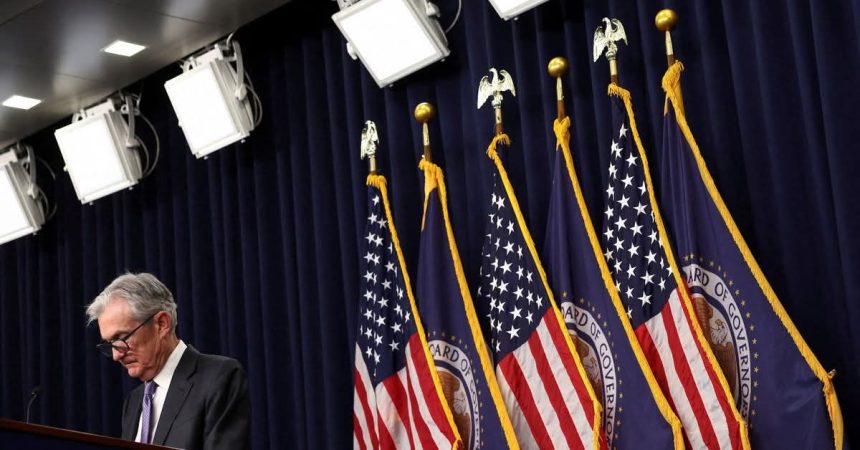
US Federal Reserve Chair, Jerome Powell has delivered his strongest public pushback, yet against what he described as political intimidation from the Trump administration, after reports that the Justice Department is threatening criminal charges linked to his testimony on a Federal Reserve building renovation.
Powell revealed that the Fed received subpoenas last week over comments he made to Congress about cost overruns on a $2.5 billion renovation project at the central bank’s Washington headquarters. In an unusually blunt response, Powell dismissed the accusations as a cover for political interference.
“This new threat is not about my testimony or the renovation of Federal Reserve buildings,” Powell said. “Those are pretexts. The threat of criminal charges is a consequence of the Federal Reserve setting interest rates based on our best assessment of what will serve the public, rather than following the preferences of the President.”
The remarks mark a sharp escalation in the standoff between the White House and the central bank, as President Donald Trump continues to demand aggressive interest rate cuts.
Despite the seriousness of the allegations, markets reacted cautiously. US stock futures dipped slightly, while bond markets priced in only a marginally higher chance of near term rate cuts. The dollar, however, took a clear hit, falling by the most in three weeks against a basket of major currencies.
Investors shifted toward traditional safe havens. Gold surged to a record high above $4,600 per ounce, while the Swiss franc strengthened notably against the dollar.
Powell’s stance also triggered rare public dissent from within Trump’s own political camp. Republican Senator Thom Tillis, a member of the powerful Senate Banking Committee, warned that the threatened indictment raises serious questions about the Justice Department’s independence and credibility.
Tillis said he would oppose any future Trump nominees to the Federal Reserve, including Powell’s eventual successor, until the legal matter is resolved.
Global markets showed mixed reactions. Asian equities were largely unshaken, with Chinese stocks climbing to a new 10 year high, driven by gains in artificial intelligence and aerospace shares. Japanese markets were closed.
European shares edged lower, a move analysts linked less to the Powell controversy and more to Trump’s call for a one year cap on credit card interest rates at 10 percent. Bank stocks bore the brunt of the pressure, with some major lenders sliding to multi week lows.
Beyond Washington, geopolitical tensions added another layer of uncertainty. Iran has intensified a violent crackdown on protests against its clerical leadership, with rights groups reporting more than 500 deaths and over 10,000 arrests. Tehran insists the situation is under control, but fears of broader instability remain.
Oil prices slipped slightly on Monday, though both Brent crude and US WTI had risen more than three percent last week. Iran produces over 3 million barrels of oil per day, and roughly one fifth of global supply passes through the nearby Strait of Hormuz, keeping energy markets on edge.
For now, Powell’s defiance appears to have steadied investor confidence rather than rattled it. But his words signal a critical turning point. The long standing norm of central bank independence is now under open challenge, and the outcome of this confrontation could reshape the balance between US monetary policy and political power for years to come.