By Micah Jonah
16 January 2026
Pakistan is rapidly expanding its military footprint across the Arab world as several countries express interest in purchasing its fighter jets and weapons systems, a shift that could reshape regional security alliances and ongoing conflicts.
Reports indicate that Sudan is close to finalising a deal estimated at about 1.5 billion dollars to acquire Pakistani jets and military equipment, a move that could significantly influence the nearly three year war between Sudan’s armed forces and the paramilitary Rapid Support Forces.
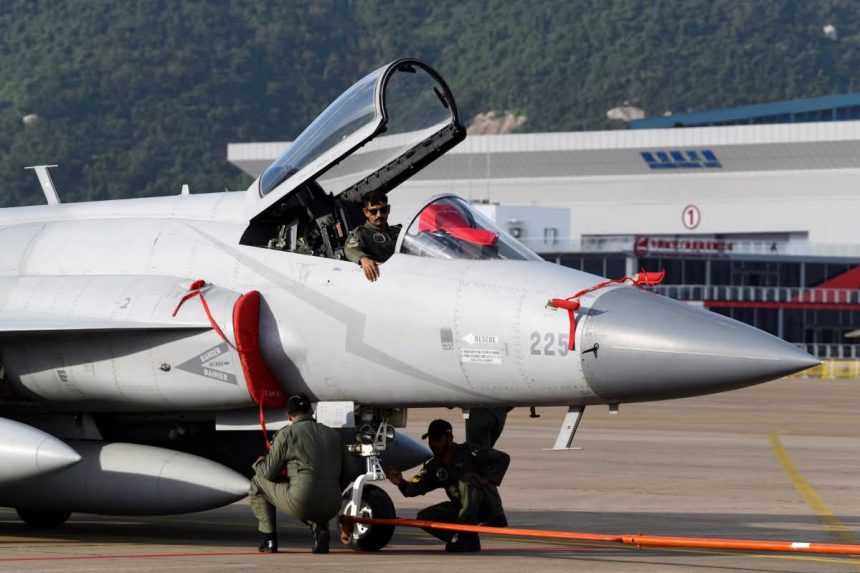
Beyond Sudan, countries such as Saudi Arabia and Iraq have also shown interest in Pakistan’s JF 17 Thunder fighter jet, according to military sources and regional defence reports. The growing demand marks a departure from Pakistan’s traditional role in the Middle East, which had focused largely on training and advisory support rather than direct weapons supply.
The shift gained momentum after Pakistan signed a Strategic Mutual Defence Agreement with Saudi Arabia last September, reinforcing military cooperation between the two countries amid rising regional uncertainty and declining confidence in long standing security guarantees from Western allies.
Defence analysts say Saudi Arabia may be seeking to diversify its weapons suppliers as global power competition intensifies, even while continuing to procure advanced aircraft from the United States and Europe.
The JF 17 Thunder is jointly produced by Pakistan and China, with Pakistan manufacturing most of the aircraft structure while China supplies advanced avionics systems. The latest version includes modern radar, electronic warfare capability and long range missile systems, making it attractive to countries seeking affordable but capable combat aircraft.
Interest in the jet increased following last year’s military confrontation between Pakistan and India, during which Pakistani aircraft reportedly engaged Indian forces in aerial operations. Analysts say combat exposure often boosts international confidence in military hardware.
Pakistan already exports defence equipment to several countries including Azerbaijan, Nigeria and Myanmar, but recent negotiations suggest a much broader push into the Middle East and North Africa.
However, experts warn that Pakistan faces diplomatic risks if it supplies weapons to rival factions in the same regional conflicts. In Sudan and Libya, for example, competing forces are backed by different Gulf states whose political interests often clash.
Despite the risks, Pakistani defence exports have surged in recent years. Central bank figures show arms and ammunition exports jumping from about 13 million dollars to over 400 million dollars in one fiscal year, a rise widely linked to increased overseas demand for military supplies.
Government officials have suggested that expanded weapons exports could help reduce the country’s dependence on international financial bailouts, as Pakistan continues to face economic pressure and foreign exchange shortages.
With growing interest from Arab and African states and continued technical backing from China, Pakistan is increasingly positioning itself as a reliable alternative supplier in a global arms market that is becoming more multipolar and politically fragmented.