Micah Jonah
March 23, 2026
Global oil prices remained highly volatile on Monday as markets reacted to escalating tensions between the United States and Iran, alongside a surprise easing of sanctions on Iranian oil.
Benchmark Brent crude rose to about $112 per barrel, while U.S. West Texas Intermediate traded near $98. Prices had earlier dropped before rebounding, highlighting uncertainty across the energy market.
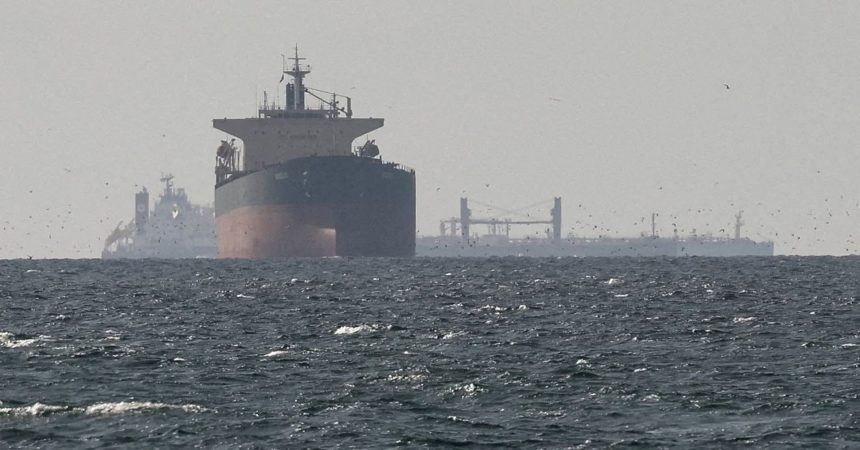
The sharp swings come as U.S. President, Donald Trump issued a 48-hour ultimatum demanding Iran reopen the Strait of Hormuz – a key passage for about 20% of global oil and gas flows. Iran has responded with threats to target energy and water infrastructure across the Gulf if its own facilities are attacked.
At the same time, Washington has temporarily eased sanctions, allowing millions of barrels of Iranian oil already at sea to enter the market. This move has created conflicting pressures: increased supply on one hand, and severe geopolitical risk on the other.
According to Fatih Birol of the International Energy Agency, the current crisis is “very severe,” potentially worse than the oil shocks of the 1970s.
The conflict has already disrupted production and exports across the Middle East. Analysts estimate that between 7 to 10 million barrels per day could be lost, while countries like Iraq have reduced output significantly due to instability.
The situation remains unpredictable, with oil prices likely to continue fluctuating sharply, depending on military developments, shipping access through the Strait of Hormuz, and further policy decisions from both Washington and Tehran.