By Anamati Inyang, December 17, 2025
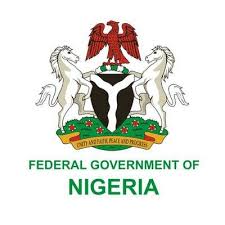
Nigeria’s Coat of Arms is one of the most recognisable national symbols in the country, yet it remains one of the least interrogated. Displayed on government buildings, official documents, uniforms, currency, it is often accepted without reflection. However, a closer look at its elements raises deep questions about Nigeria’s identity, contradictions, unfulfilled aspirations.
At the centre of the Coat of Arms is a black shield, symbolizing Nigeria’s fertile soil. Supporting this shield are two white horses, representing dignity, strength, pride. Above the shield stands a red eagle, widely understood as a symbol of strength, courage, leadership. Beneath it all is the national motto boldly written as “Unity and Faith, Peace and Progress.”
On paper, the symbolism is noble. In reality, it tells a more complex story.
There is a striking irony in the imagery. The eagle and the horses are symbols of power, dominance, struggle. In nature, an eagle is a predator. Horses, when threatened, resist, then fight for survival. The Coat of Arms captures these forces locked together, yet beneath them lies a declaration of peace, unity. It is almost as if the designer foresaw the contradictions that would define the Nigerian state.
Nigeria is a country rich in strength, resources, human capacity, yet constantly torn by internal struggles. Ethnic rivalry, political violence, religious intolerance, economic inequality have made unity more of an aspiration than a lived reality. The Coat of Arms reflects this tension. The powerful symbols above suggests conflict, competition, while the words below preach harmony, collective progress.
Some have argued that the designer of the Coat of Arms must have seen these opposing forces, clearly. The eagle does not perch calmly. It stands alert, wings spread, ready to dominate. The horses do not kneel; they stand firm, holding the shield as if resisting pressure. And yet, the inscription speaks of peace.
This contrast mirrors Nigeria itself. A nation built on diversity, however – struggling to manage it. A people full of energy, ambition, yet often divided by leadership failures, historical grievances. The Coat of Arms does not lie. It tells the truth of who we are, who we hope to become.
The national motto is not a description of Nigeria. It is a challenge to Nigeria.
Unity is not automatic in a country of over 250 ethnic groups. Faith is tested daily by injustice, broken promises. Peace remains fragile in many regions. Progress is uneven, often benefits only a few. The Coat of Arms therefore serves as a reminder that nation building is a continuous effort, not a finished project.
Rather than mocking the symbolism, Nigerians should see it as a call to responsibility. The power represented by the eagle must be guided by wisdom. The strength of the horses must be channelled towards collective purpose. Only then can the words beneath move from aspiration to reality.

The Coat of Arms stands as a silent witness to Nigeria’s journey. It shows us our strength, exposes our contradictions, challenges us to rise above conflict.
Peace and unity were written, not because they were present, because they were desperately needed.
The question remains whether Nigerians are ready to live up to the promises etched beneath the shield.