By Micah Jonah
January 13, 2026
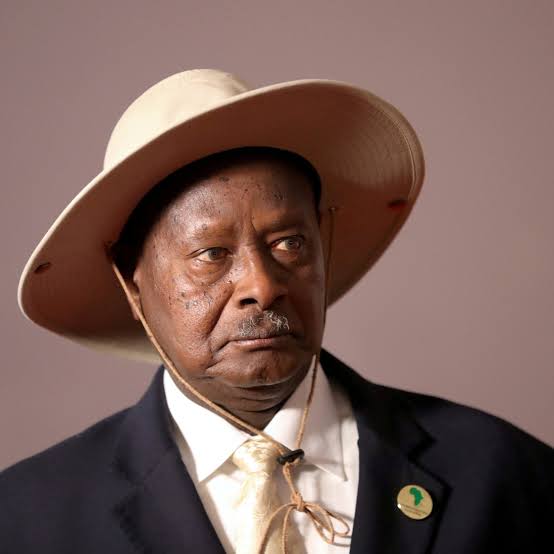
Ugandan President Yoweri Museveni is seeking a seventh term in office, extending a rule that began in 1986 and has defined Uganda’s political landscape for nearly four decades. At 81, Museveni is asking voters to renew his mandate in an election widely seen as a turning point for the East African nation.
Museveni came to power after years of armed struggle, promising to end bad leadership and restore stability. His early years attracted domestic and international support, with progress recorded in security, economic recovery, and regional diplomacy.
Over time, that goodwill faded as allegations of corruption and authoritarianism mounted. Critics argue that corruption has weakened public institutions and limited political freedoms. Museveni acknowledges corruption within government but maintains that offenders have been prosecuted.
Internationally, Uganda has positioned itself as a key security partner, deploying troops to regional peacekeeping missions and hosting large refugee populations. These moves strengthened Museveni’s global standing and secured long term foreign partnerships.
At home, his record remains mixed. His administration is credited with gains in the fight against HIV AIDS and the defeat of the Lord’s Resistance Army insurgency. However, corruption, unemployment, and weak public services continue to fuel public frustration, especially among young people.
Museveni’s rise followed years of exile and rebellion against military rule. In 1986, his National Resistance Movement took control of government, declaring a fundamental change in Uganda’s politics.
As economic reforms progressed, privatization programs triggered controversy, with reports alleging that state assets were sold cheaply to political allies. Public anger intensified as economic growth failed to translate into broad based prosperity.
Museveni has repeatedly dismissed Western criticism, insisting Uganda will chart its own political course. In recent years, he has strengthened ties with China, Russia, Iran, and the United Arab Emirates, reducing reliance on traditional Western partners.
The discovery of major oil reserves further consolidated his influence, with international agreements signed to develop export infrastructure.
His main challenger is Bobi Wine, a popular musician turned politician who has mobilized young voters and calls for generational change. Despite growing opposition, analysts largely predict Museveni will retain power.
Attention is now shifting beyond the election to the question of succession. Observers point to Museveni’s advancing age and the rising profile of his son, Muhoozi Kainerugaba, Uganda’s military chief. The opposition accuses the president of laying the groundwork for a dynastic succession, a claim denied by the government.
Analysts say the vote is less about the outcome and more about the political mood and what follows. As Uganda stands at a historic crossroads, uncertainty looms over how and when power will eventually change hands.