By Micah Jonah
January 10, 2026
Italian Prime Minister Giorgia Meloni has said she does not believe the United States will resort to military force to take control of Greenland, warning that such a move would seriously damage NATO, destabilize the alliance.
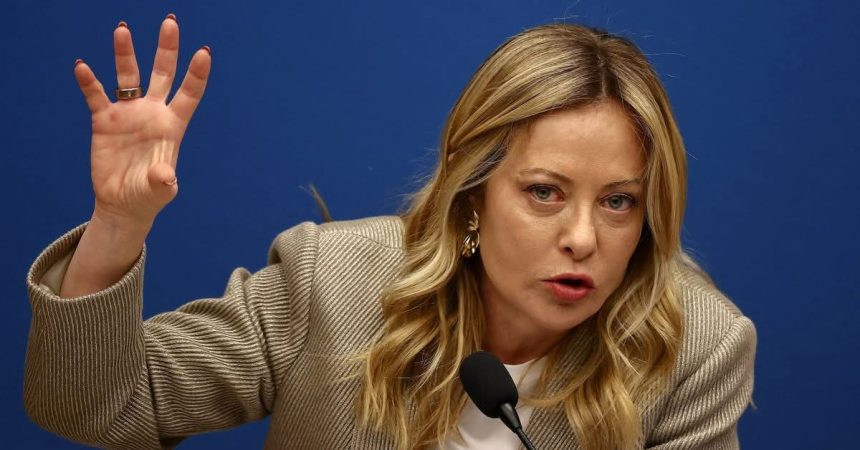
Speaking at her annual New Year press conference in Rome, Meloni argued that strengthening NATO’s presence in the Arctic would be a more effective way to address Washington’s security concerns in the region, particularly fears about growing influence from rival powers.
“I do not believe the United States will launch a military action to take control of Greenland, and it is an option I would clearly not support,” Meloni said, adding that such a move would harm both NATO and U.S. interests.
Her remarks come amid heightened global tensions following recent U.S. military action in Venezuela, which has renewed concerns in Europe about Washington’s willingness to act unilaterally. While Meloni said she supported the U.S. operation in Venezuela, she drew a clear line on Greenland.
“I agreed with Trump on Venezuela. I do not agree with him on Greenland,” she said, stressing that international law must be respected.
The White House has said it is considering various options to acquire Greenland, including military measures. Meloni said any such step would have a profound impact on NATO cohesion, a key reason she believes Washington is unlikely to follow through.
She acknowledged U.S. concerns about preventing hostile actors from gaining influence in the Arctic but said these should be addressed collectively through NATO rather than unilateral action.
Meloni, one of U.S. President Donald Trump’s closest allies in Europe, said she has never hesitated to express disagreement with him when necessary.
“There are many things on which I do not agree with Trump,” she said. “When I disagree, I say so clearly.”
Meloni was the only European leader to attend Trump’s inauguration last year, with supporters hoping she could serve as a bridge between Washington and Europe.
However, recent developments suggest her influence over U.S. policy decisions may be limited.