RismadarVoice Reporters, March 14, 2026
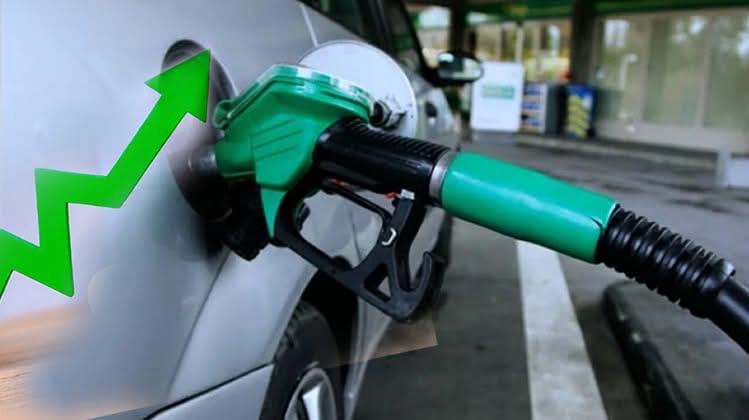
Nigeria’s downstream petroleum sector is facing fresh uncertainty as oil marketers express divergent views over the Federal Government’s suspension of petrol import licences, even as the Dangote Petroleum Refinery raised its ex-depot price of Premium Motor Spirit (PMS) to ₦1,175 per litre.
The price adjustment, announced on Friday, reverses an earlier ₦100 reduction made earlier in the week. The refinery also increased its coastal supply price from ₦1,378,548 per metric tonne to ₦1,512,648 per metric tonne, citing rising global crude oil prices driven by geopolitical tensions.
Market sources said the sudden upward review disrupted trading activities at several petroleum depots, with some operators temporarily suspending transactions to assess the new pricing structure. Loading operations at the refinery were also reportedly halted briefly to allow stock reconciliation.
The development comes amid growing debate within the industry following the Nigerian Midstream and Downstream Petroleum Regulatory Authority (NMDPRA) decision not to issue petrol import licences in the first quarter of 2026, citing increased local production.
While the Independent Petroleum Marketers Association of Nigeria (IPMAN) backed the move, urging greater reliance on domestic refining, some major dealers argued that imports were still necessary to bridge supply gaps.
IPMAN Vice President, Ahmed Fashola, said the country should support local refining capacity, noting that Nigeria’s increasing reliance on domestic supply represented progress for the sector. He also argued that local refining had helped cushion the impact of global crude price shocks on fuel prices.
However, other marketers questioned claims that the Dangote refinery was meeting national demand, pointing to regulatory figures indicating that the facility produced about 36 million litres per day in February, compared with estimated national consumption of about 56 million litres daily.
They warned that restricting imports could create supply shortages and reduce market competition.
Nigeria has historically depended on imported refined products due to limited local refining capacity.
The commencement of operations at the 650,000-barrel-per-day Dangote refinery in 2024 has significantly reshaped the downstream market, raising expectations of reduced import dependence.
Industry stakeholders say the transition to full local supply will take time, stressing the need for policy clarity and sustained investment to stabilize the sector.