By Micah Jonah, April 1, 2026
A significant majority of Americans are calling for a rapid end to the United States’ involvement in the ongoing Iran conflict, even if key military and political objectives remain unmet, a new poll has revealed.
The survey, conducted jointly by Reuters and Ipsos, found that approximately 66 percent of respondents favour an immediate withdrawal from the war. In contrast, 27 percent believe the U.S. should remain engaged until it fully achieves its strategic goals, while a small percentage declined to respond.
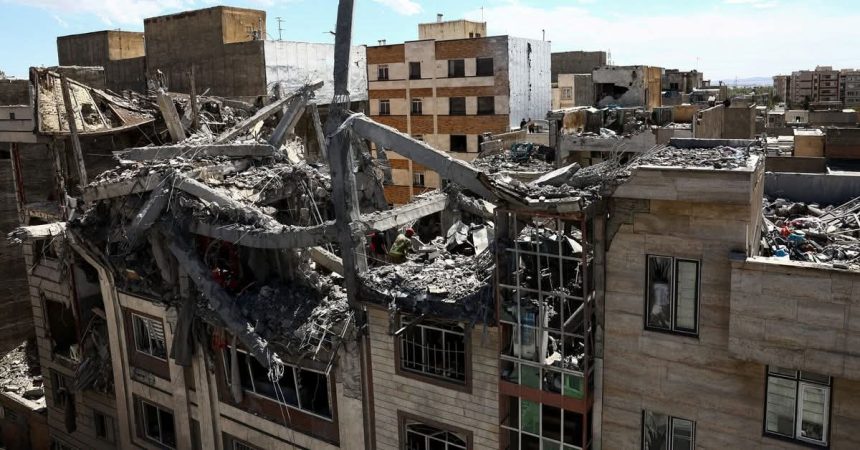
The conflict, which has now stretched beyond a month, continues to reverberate across the Middle East, leaving thousands dead, intensifying global economic pressures. Rising oil prices and inflation concerns have emerged as key consequences, with ripple effects being felt in economies worldwide, including Nigeria.
Despite backing from segments of the political class, public sentiment appears increasingly cautious. Among supporters of President Donald Trump, opinion is divided – 57 percent favour prolonged engagement to secure objectives, while 40 percent support an early exit strategy.
Further findings from the poll indicate growing dissatisfaction with the war effort. About 60 percent of respondents disapprove of U.S. military strikes on Iran, compared to 35 percent who expressed support.
Economic concerns remain a major driver of public opinion. Fuel prices in the United States have surged above $4 per gallon for the first time in over three years, with nearly two-thirds of those surveyed expecting costs to rise further within the next year.

Additionally, more than half of respondents believe the conflict will negatively impact their personal financial situation, highlighting deepening domestic anxiety over the war’s long-term consequences.
With midterm elections approaching, the administration of President Trump faces mounting political pressure, as voters weigh national security priorities against economic realities at home.

Analysts note that public opinion could play a decisive role in shaping Washington’s next move, particularly as diplomatic channels remain uncertain and military operations continue.