By Micah Jonah
March 1, 2026
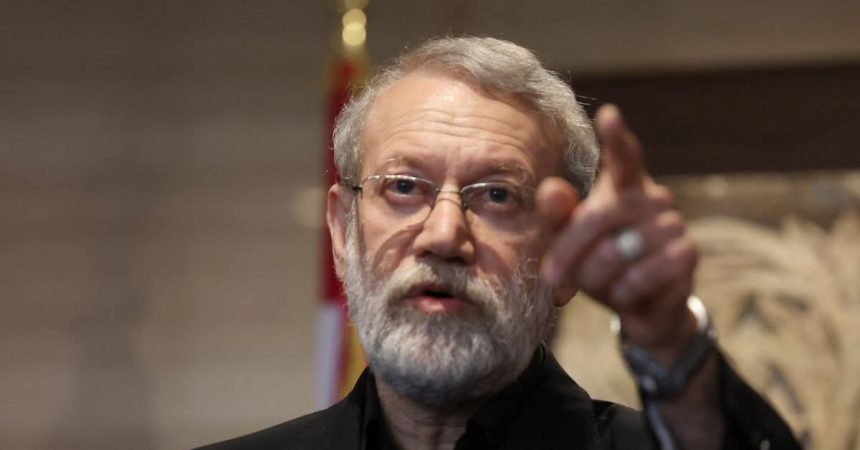
Following the reported death of Supreme Leader Ayatollah Ali Khamenei, veteran Iranian politician Ali Larijani has reemerged as a central figure in Iran’s security and political hierarchy.
Appointed in August 2025 as Secretary of the Supreme National Security Council (SNSC), Larijani has taken on a broad portfolio, from nuclear negotiations with the United States to regional diplomacy and managing internal unrest. Known for his pragmatic approach, Larijani has maintained ties across Iran’s often-rival factions while serving as a trusted strategist under Khamenei.
Larijani’s career spans decades in security and governance. He served as a nuclear negotiator from 2005–2007, parliament speaker from 2008–2020, and led Iran’s SNSC in previous decades. He has also engaged with international leaders, including multiple trips to Moscow to strengthen ties with Russia, and mediated talks with Oman ahead of US-Iran negotiations.
While Larijani has expressed a pragmatic stance on Iran’s nuclear program, asserting that concerns over nuclear weapons can be addressed diplomatically, his role has drawn criticism from the United States. He was sanctioned in January 2026 for his involvement in suppressing widespread anti-government protests, which human rights groups describe as the most severe domestic unrest since Iran’s 1979 Islamic Revolution.
Born in Najaf, Iraq, in 1958 to a prominent clerical family, Larijani moved to Iran as a child and earned a PhD in philosophy. His family has a long history of senior roles within Iran’s establishment, including judiciary and foreign ministry positions.
With Khamenei gone, Larijani’s temporary leadership council and strategic diplomacy have positioned him as a pivotal figure guiding Iran through an uncertain period of regional and domestic challenges.