Micah Jonah
February 22, 2026
Kashmiri shawl sellers operating across northern India are increasingly facing a difficult choice between personal safety and economic survival – following a wave of attacks, harassment in several states.
Many traders from Indian administered Kashmir who traditionally travel during winter to sell shawls and handicrafts have reportedly returned home, while others have adopted safety measures, including forming WhatsApp groups to alert one another about unsafe areas.
Ayaz Ahmad, a 28 year old trader based in Haryana, said safety has now taken priority over business. According to him, traders exchange information daily about locations where harassment has been reported.
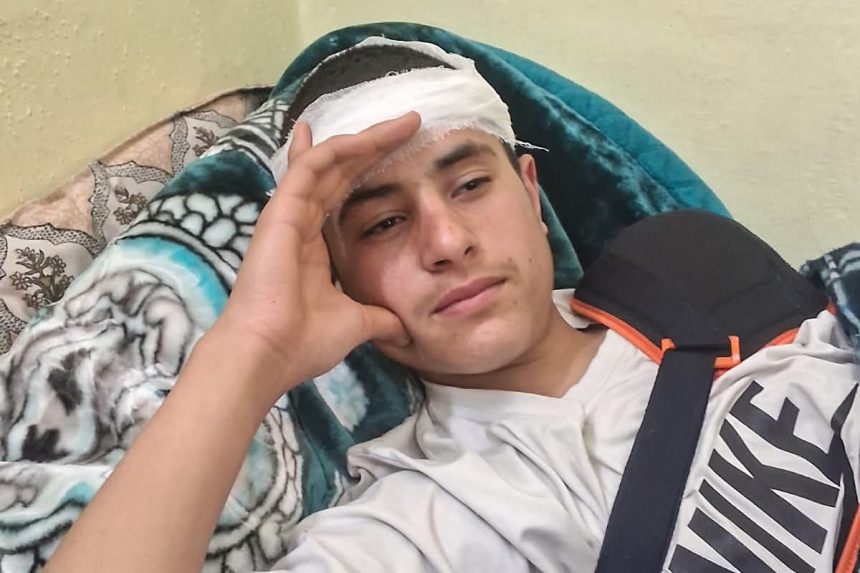
The development follows a series of assaults, including an attack on 18 year old Tabish Ahmad Ganie in Uttarakhand. In a widely circulated video, a local shopkeeper was seen beating the teenager while making derogatory remarks about his Kashmiri Muslim identity. Ganie later received medical treatment for head injuries, fractures.
Similar incidents have been reported in states such as Punjab and Himachal Pradesh, where some Kashmiri traders alleged they were threatened, publicly interrogated or forced to leave their trading locations.
The tensions come amid heightened political sensitivities surrounding Kashmir since 2019, when the government of Prime Minister Narendra Modi revoked the region’s semi autonomous status. Relations between India and Pakistan have also remained strained over the disputed Himalayan territory.
Kashmir’s Chief Minister, Omar Abdullah described the reported attacks as unacceptable and said he had raised the matter with leaders of northern Indian states, urging preventive measures.
Former Chief Minister, Mehbooba Mufti also criticized what she termed rising hostility, alleging that mob actions were being enabled by political interests.
Meanwhile, a spokesperson of the Bharatiya Janata Party in Kashmir condemned the assaults, maintained that Kashmiri citizens are an integral part of the country.
For many families dependent on seasonal trade outside the valley, the situation has created uncertainty. Some traders say they would rather return home than risk further attacks, even if it means losing their primary source of income.