RismadarVoice Reporters
March 22, 2026
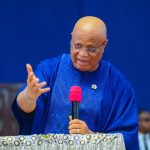
The National President of the Joint Health Sector Unions (JOHESU), Kabiru Minjibir, has expressed concern over delays in addressing critical welfare issues affecting health workers, revealing that a key government committee set up for negotiations has remained inactive months after its inauguration.
Minjibir disclosed that the committee, established by the Federal Ministry of Health to handle matters relating to the Collective Bargaining Agreement (CBA) and salary adjustments, has not resumed sitting since October last year.
According to him, the committee-chaired by the Minister of Labour and Employment, Muhammadu Dingyadi was mandated to address pressing issues, including the review of the Consolidated Health Salary Structure (CONHESS), but has yet to reconvene.
“There was a committee set up by the Ministry of Health on the Collective Bargaining Agreement, chaired by the Minister of Labour since October last year. The same committee is also expected to handle the issue of CONHESS adjustment, but it has not resumed sitting,” Minjibir said.
The development comes against the backdrop of lingering disputes between the Federal Government and health sector unions over salary structures, allowances, and working conditions.
JOHESU, which represents nurses, pharmacists, medical laboratory scientists, and other health professionals, has consistently called for a review of CONHESS, arguing that disparities between it and the Consolidated Medical Salary Structure (CONMESS) for doctors have continued to generate dissatisfaction within the sector.
These grievances have, in recent years, resulted in repeated industrial actions, often disrupting services in federal health institutions across the country.
Labour experts warn that the delay in reconvening the committee could further heighten tensions and undermine efforts to maintain stability in the health sector. The committee was expected to serve as a platform for dialogue to resolve wage disparities, review welfare packages, and avert future strikes.
Nigeria’s healthcare system continues to grapple with multiple challenges, including funding constraints, increasing patient demand, and the ongoing migration of skilled health workers abroad.
Stakeholders caution that failure to address outstanding welfare concerns may accelerate the brain drain and further weaken service delivery in the country’s already strained health system.