By Micah Jonah
January 22, 2026
Japan has suspended operations at a reactor in the world’s largest nuclear power plant just one day after restarting it, following a technical malfunction linked to control rod systems, according to the plant’s operator, Tokyo Electric Power Company Holdings.
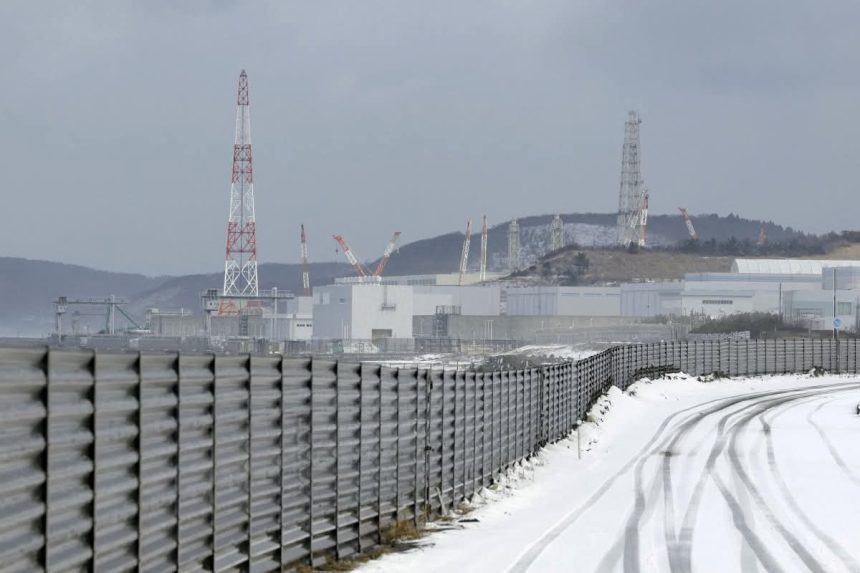
The affected unit is Reactor No 6 at the Kashiwazaki Kariwa nuclear facility in Niigata Prefecture, which had remained closed since the Fukushima nuclear disaster in 2011. The reactor was reactivated on Wednesday as technicians began withdrawing control rods to initiate stable nuclear fission.
However, the restart process was halted hours later after engineers detected a fault involving electrical equipment connected to the control rods, which regulate the speed of the nuclear reaction and play a critical role in emergency shutdown procedures.
TEPCO said the reactor was returned to a shutdown state to allow for a detailed inspection and assessment of the problem. The company added that the reactor remained stable throughout the incident and that no radiation was released into the environment.
A company spokesperson said investigations were ongoing to determine the exact cause of the malfunction and to decide when restart procedures could safely resume.
Control rods are designed to absorb neutrons inside the reactor core, slowing or stopping nuclear reactions when inserted and allowing reactions to increase when gradually withdrawn. Any fault in their operation is treated as a serious safety concern during startup.
The reactor restart had already been delayed earlier in the week after a separate technical issue related to rod movement was discovered and later resolved. The latest malfunction has once again pushed back plans to bring the unit into full operation.
Kashiwazaki Kariwa is the largest nuclear power station in the world by total generating capacity, with seven reactors on site, though only Reactor No 6 had been scheduled for restart. The entire facility was shut down after the 2011 earthquake and tsunami triggered nuclear meltdowns at the Fukushima Daiichi plant, also operated by TEPCO.
Japan has gradually returned several nuclear reactors to service in recent years as part of its energy strategy aimed at reducing reliance on imported fossil fuels and meeting long term carbon reduction targets. Officials have also cited rising electricity demand driven by digital infrastructure and artificial intelligence systems as a factor in reviving nuclear generation.
Since 2011, 14 reactors operated by other utilities have restarted across the country, but this was the first unit managed by TEPCO to resume operations after the Fukushima crisis.
If fully operational, Reactor No 6 is expected to generate enough electricity to supply more than one million households in the greater Tokyo area.
Public opinion in Niigata remains divided, with many residents expressing concern about seismic risks and emergency preparedness. Local activists argue that the plant is located near active fault lines and point to damage caused by a major earthquake that struck the area in 2007.
Earlier this month, several civic groups submitted a petition to both TEPCO and the national nuclear regulator, urging authorities to cancel restart plans until further safety studies are conducted.
While government officials continue to support nuclear energy as part of Japan’s future power mix, the latest setback highlights ongoing technical and public confidence challenges facing the country’s nuclear revival efforts.