By Micah Jonah, April 1, 2026
Italy has denied the United States permission to use a key military air base in Sicily for operations linked to the ongoing Middle East conflict, in a move that underscores growing tensions between Washington and some of its European allies.
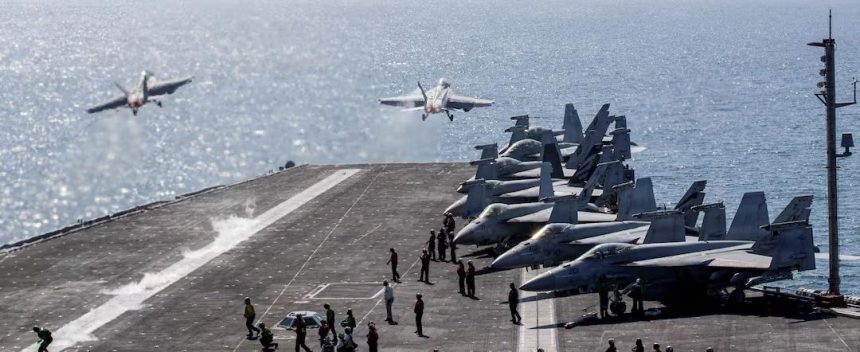
Sources confirmed that U.S. military aircraft were refused landing rights at the Sigonella air base after failing to obtain prior authorization from Italian authorities, as required under existing bilateral and NATO agreements.
The development comes amid escalating hostilities involving the United States and Iran, with European partners increasingly cautious about direct involvement in the conflict.
Italian officials maintained that all military requests must follow established procedures and be reviewed on a case-by-case basis in line with national policy and parliamentary oversight.
Despite the refusal, the government emphasized that relations with the United States remain strong and cooperative, dismissing suggestions of any diplomatic breakdown.
However, the incident highlights broader unease within Europe regarding the war. Spain has also taken a firmer stance, recently closing its airspace to U.S. military aircraft involved in strikes on Iran, further complicating Washington’s operational logistics.
While Italian Prime Minister, Giorgia Meloni is widely regarded as a close ally of President Donald Trump, her government has so far avoided direct military alignment in the conflict, insisting that any future cooperation must receive parliamentary approval.

The refusal has sparked political debate within Italy, with opposition figures urging the government to resist involvement in what they describe as an escalating and potentially destabilizing war.
Analysts say the decision signals a shifting dynamic within the NATO alliance, where unity is increasingly being tested by divergent national interests and public opinion over the Iran conflict.

As the war continues, questions remain over how far European allies are willing to support U.S. military operations, and what that could mean for the future of transatlantic defence cooperation.