RismadarVoice Reporters, March 30, 2026
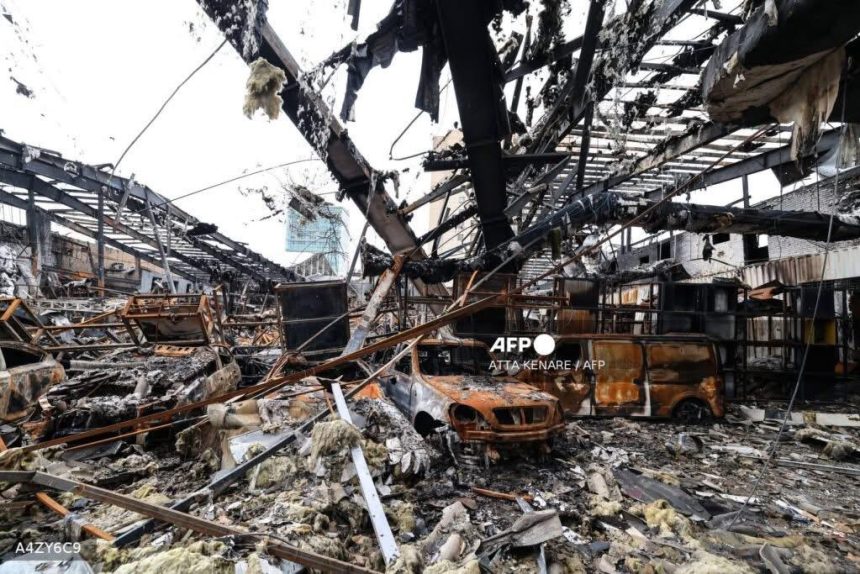
Israel said on Monday it had launched fresh strikes targeting military infrastructure across Iran’s capital, Tehran, as hostilities in the region intensified despite renewed diplomatic overtures.
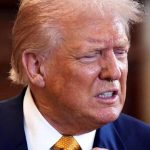
The latest offensive comes a day after United States President, Donald Trump expressed optimism that a deal with Iran could be reached “soon,” even as he declined to rule out possible ground operations.
In retaliation, Iran launched new strikes targeting Israel as well as Gulf states, including Kuwait and Saudi Arabia, following attacks on its electrical facilities that triggered widespread power outages in parts of Tehran and surrounding areas.
The escalating conflict is taking a heavy toll on the global economy, with fuel shortages reported across parts of Asia, stock markets experiencing volatility, and oil prices surging sharply. The main US crude benchmark has climbed above $100 per barrel, while Brent crude approached $117.
The violence has also spilled into neighbouring regions. In southern Lebanon, where Israel continues operations against Iran-backed Hezbollah, Indonesia confirmed that one of its peacekeepers was killed after a projectile struck a United Nations position. The UN Interim Force in Lebanon said it had launched an investigation into the incident.
Speaking aboard Air Force One, Trump reiterated his claim that the conflict had led to a shift in Iran’s leadership, describing it as “regime change,” and suggesting that the new leadership may be more open to negotiations.
“We’ve had regime change. We’re dealing with a whole different group of people,” he said, adding that a deal with Tehran could materialise in the coming days.
However, diplomatic signals remain mixed. While Pakistan has stepped in as a mediator—hosting foreign ministers from Saudi Arabia, Turkey, and Egypt in Islamabad—Iranian officials have cast doubt on Washington’s intentions. Iran’s parliament speaker, Mohammad Bagher Ghalibaf, accused the US of using diplomacy as a cover for potential military escalation.

On the ground, there has been no sign of de-escalation. Israel confirmed its air defence systems intercepted missiles launched from Iran, while continuing its strikes on what it described as “terror regime military infrastructure.”
Meanwhile, the United States has reinforced its military presence in the region, with the USS Tripoli, carrying about 3,500 Marines and sailors, recently deployed. Reports indicate the Pentagon is preparing contingency plans for possible ground operations, particularly around strategic locations near the Strait of Hormuz.
The humanitarian impact is growing, especially within Iran, where residents report relentless night-time bombardments and worsening living conditions due to power outages.
The conflict has also disrupted critical global energy routes. Iran has effectively closed the Strait of Hormuz to vessels from countries it considers hostile – a move that has further strained global oil supply chains.

As diplomatic efforts continue alongside military escalation, the crisis is increasingly shaping into a broader regional confrontation with significant global implications.