By Micah Jonah
January 23, 2026
Israel’s long term intentions for Gaza are facing growing questions as political divisions, security concerns and settlement ambitions continue to block a clear path towards rebuilding the war battered territory.
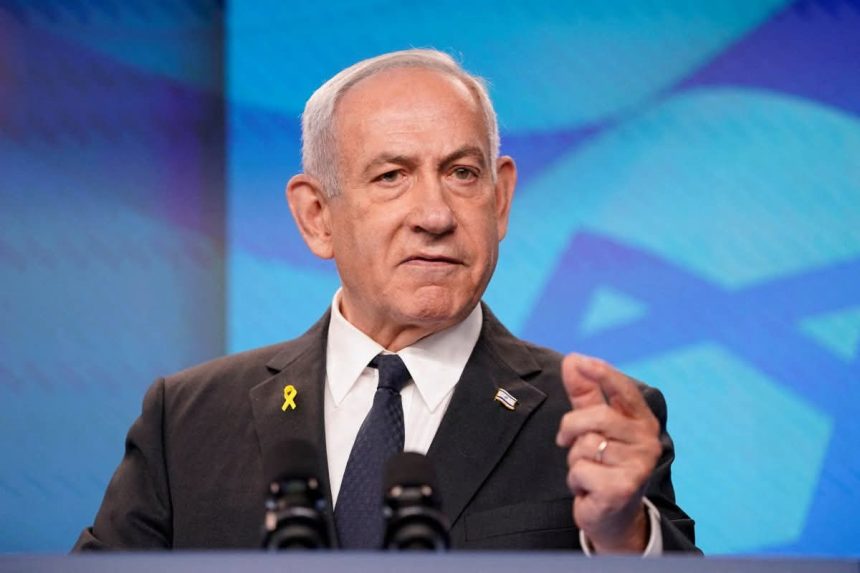
After more than two years of devastating military operations which have destroyed much of Gaza’s housing and infrastructure, left tens of thousands of Palestinians dead, Israeli Prime Minister, Benjamin Netanyahu has joined United States President Donald Trump’s Board of Peace, a body created to oversee the reconstruction and governance of Gaza.
Despite this move, analysts say Israel is yet to present any concrete plan for how Gaza should be rebuilt or governed, raising doubts about whether the government truly supports recovery efforts or prefers to maintain the current situation.
With elections approaching later this year, Netanyahu is under pressure to appear cooperative with United States plans while also keeping the support of hardline partners within his governing coalition. Some of these allies openly oppose rebuilding Gaza and support the idea of Jewish settlements in the territory, which they claim as part of their religious and political beliefs.
At the same time, Netanyahu has failed to delay the next phase of the United States backed ceasefand has been unable to stop the planned reopening of the Rafah crossing between Gaza and Egypt. His objections to the involvement of countries such as Turkiye and Qatar in future security arrangements for Gaza have also reportedly been rejected by Washington.
Within Israel, government officials remain divided. While some lawmakers focus mainly on campaigning ahead of elections, others continue to push for stricter military control over Gaza. The Israeli army is already clearing large areas near the border to create a deeper buffer zone, which officials say is meant to improve security.
Public opinion in Israel is also split. Many citizens, tired of war, want stability and fear renewed fighting, but still believe Israel should maintain control over Gaza in some form. There is also hope among some that United States involvement may achieve what prolonged military action has not.
However, critics say the humanitarian suffering of Palestinians receives little attention in Israeli media and political debate. Several peace activists and opposition politicians argue that while large scale bombing has slowed, conditions in Gaza remain deadly due to lack of food, shelter, medical care.
Some Israeli lawmakers accuse the government of deliberately delaying international stabilization plans, allowing the crisis to continue while avoiding full political responsibility for Gaza’s future.
Experts say Israeli leadership often reacts to short term political pressure rather than following long term strategy. Major military decisions in recent months, they note, have coincided with internal political threats to the government, suggesting domestic survival remains a top priority.
While a few peace advocates believe United States pressure could eventually force meaningful progress, others remain deeply skeptical, warning that without genuine political commitment, Gaza may remain trapped between destruction and delay, with no clear future in sight.