By Micah Jonah
January 29, 2026
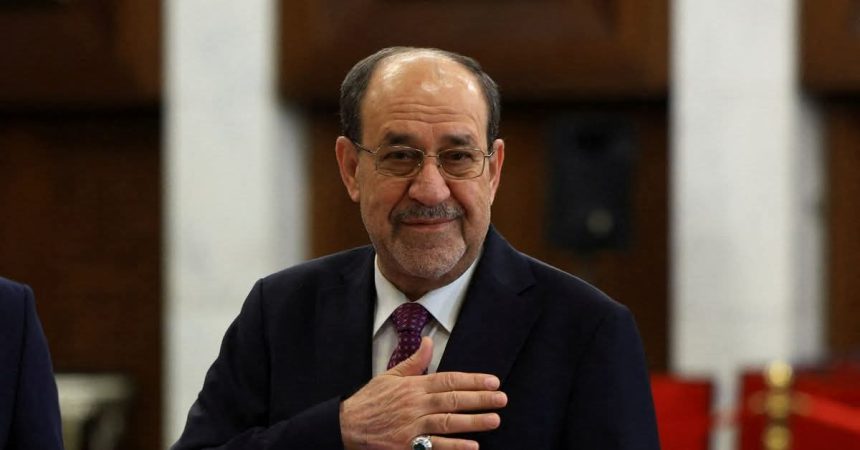
Former Iraqi Prime Minister Nouri al-Maliki, poised for a political comeback, has drawn sharp criticism from U.S. President, Donald Trump, who warned that Iraq could lose Washington’s support if it appoints the Iranian-backed leader again.
“Last time Maliki was in power, the country descended into poverty and total chaos. That should not happen again,” Trump said, citing Maliki’s past policies.
Maliki dismissed the warning, calling it “blatant U.S. interference in Iraq’s internal affairs”, emphasizing that dialogue not threats is the path for resolving political issues.
Trump’s intervention reflects his administration’s ongoing effort to limit the influence of Iran-linked groups in Iraq, a country long balancing its ties between Washington and Tehran.
Maliki, Iraq’s first elected prime minister after the 2003 U.S.-led invasion, was nominated by the main Shi’ite political alliance holding a parliamentary majority. The nomination surprised many Iraqis, who criticize Maliki for policies that favoured Shi’ites, contributed to the rise of Islamic State militants in Sunni areas.
Despite being pressured to resign in 2014 amid criticism from the U.S., Iran, Sunni leaders, and Iraq’s top Shi’ite cleric, Maliki maintained political influence through the State of Law coalition and close ties with armed militias, security services, and the judiciary. Analysts say he rebuilt his power quietly and strategically.
Born in 1950 in southern Iraq, Maliki spent nearly 25 years in exile under Saddam Hussein, largely in Syria and Iran, after being sentenced to death for his role in the outlawed Dawa Party. He returned to Iraq following Saddam’s fall, ultimately leading the country in 2006 as a compromise candidate.
Maliki’s tenure from 2006 to 2014 was marked by sectarian violence, disputes with Sunni and Kurdish leaders, strained U.S. relations, and allegations of corruption. Critics also cite his 2011 arrest order for a Sunni vice president and alleged favoritism toward Shi’ite militias as evidence of sectarian bias. Maliki denies any sectarian intent, saying he fought militias of all sects.
The former prime minister now stands at the center of Iraq’s political debate, with both domestic and international actors watching closely as the nation navigates its next leadership phase.