Micah Jonah, March 8, 2026
The ongoing conflict involving Iran, Israel and the United States is raising concerns over a prolonged disruption to global energy markets as oil prices continue to rise.
The war, now in its eighth day, has already led to the suspension of nearly one fifth of global crude oil and natural gas supply, according to industry estimates, as attacks on energy infrastructure and threats to shipping routes affect production and distribution across the Middle East.
Global oil prices have increased by more than 25 percent since the conflict began, pushing fuel costs higher for consumers worldwide. Data from the American Automobile Association shows the national average petrol price in the United States rose to 3.41 dollars per gallon on Saturday, up by 0.43 dollars within a week.
Analysts at Goldman Sachs warned that oil prices could climb above 100 dollars per barrel if disruptions to shipping and supply persist.
United States crude oil settled at just below 91 dollars per barrel on Friday, recording its largest weekly gain since records began in 1983.
Energy analysts at JPMorgan Chase said the market is shifting from concerns about geopolitical risk to dealing with real operational disruptions as refinery shutdowns and export constraints begin to affect supply flows.
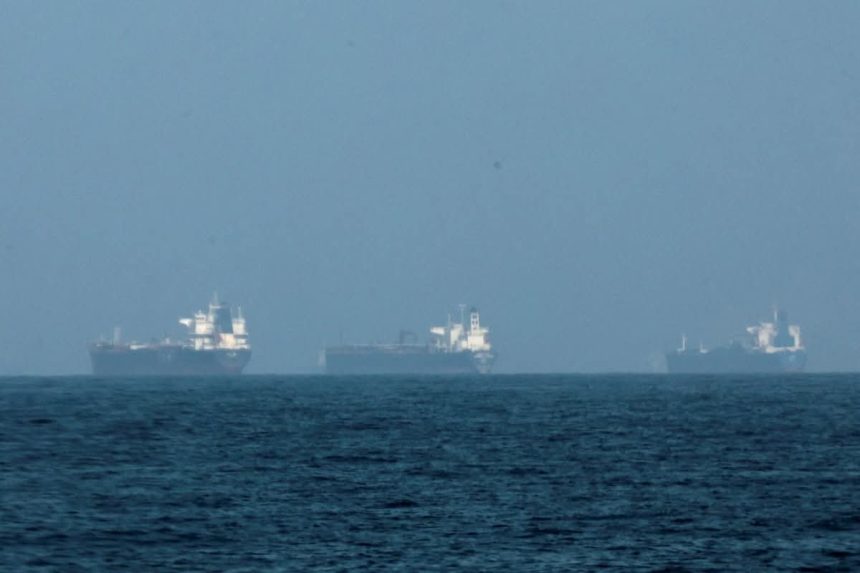
The situation has been worsened by tensions around the Strait of Hormuz, a strategic waterway between Iran and Oman through which a large share of the world’s oil shipments pass.
Regional producers including Saudi Arabia, the United Arab Emirates, Iraq and Kuwait have reportedly suspended shipments of as much as 140 million barrels of oil to global refineries due to disruptions in the waterway.
The disruption has also affected maritime trade. According to the World Bank, more than 80 percent of global trade is transported by sea, meaning interruptions in shipping routes could raise freight costs and delay deliveries worldwide.
Officials in Africa have also warned about the potential economic consequences. Finance Minister Ilyas M. Dawaleh said the conflict could have severe economic effects on developing countries that depend heavily on maritime trade.
In Egypt, President Abdel Fattah el-Sisi warned that the country’s economy is facing significant pressure as rising energy costs contribute to growing inflation.
Industry sources say oil and gas storage facilities in the Gulf are rapidly filling up due to shipping disruptions, forcing oilfields in Iraq and Kuwait to reduce production, while the United Arab Emirates may take similar steps if the situation persists.
Energy analysts say oilfields that are shut down during the conflict may take weeks or months to resume normal production depending on the condition and age of the facilities.
Meanwhile, energy infrastructure across the region has also been affected. Qatar declared force majeure on some of its gas exports after reported drone attacks disrupted production. The country supplies about 20 percent of global liquefied natural gas.
Saudi Arabia’s Saudi Aramco has also shut its major Ras Tanura refinery and export terminal following attacks, although the extent of the damage has not been disclosed.
Economists warn that the crisis could trigger a period of higher energy prices combined with slower economic growth if the conflict continues to disrupt supply chains and energy production.