By Micah Jonah, March 9, 2026
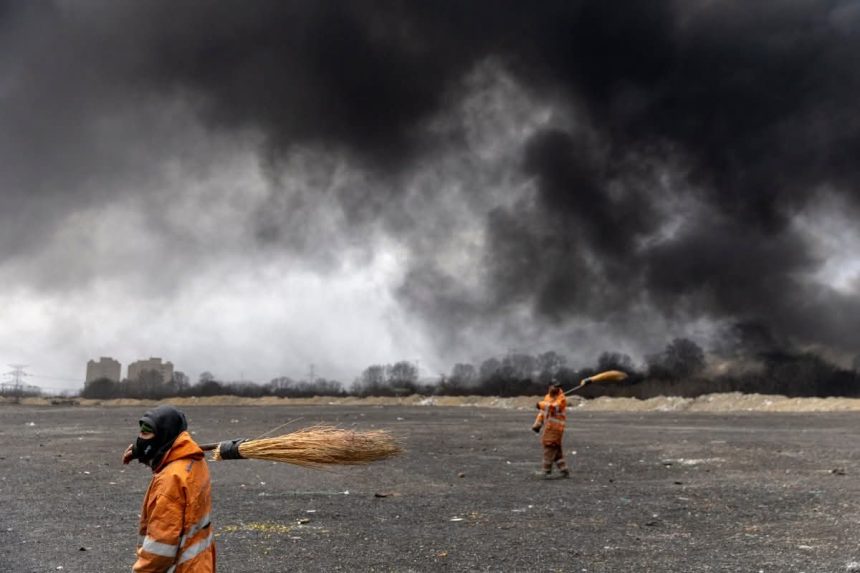
The ongoing US – Israel strikes on Iranian oil facilities have sent shockwaves through global energy markets, raising concerns for oil-dependent countries like Nigeria. The attacks, which targeted refineries in Tehran and Alborz Province have disrupted production, sent thick black smoke over major cities.
The World Health Organization (WHO) warned that the strikes could contaminate food, water, and air, putting children, the elderly, and people with pre-existing health conditions at risk. Rainfall mixed with oil has already been reported, creating a potential public health crisis.
Israel says the facilities were fueling military operations, while Iran has retaliated with missile and drone attacks across the Gulf, targeting US allies and regional energy infrastructure. Human rights groups have criticized both sides for endangering civilians.

For Nigeria, Africa’s top oil producer, the attacks could exacerbate already volatile oil prices. Brent crude surged past $119 a barrel following the strikes, recalling the energy shocks of the 1970s. Analysts warn that sustained disruption in Iran could increase fuel costs locally, impacting transportation, manufacturing, and electricity generation.

The situation highlights Nigeria’s exposure to global oil supply shocks, underscoring the need for strategic reserves and energy security planning to cushion the economy from external disruptions.