By Micah Jonah, April 8, 2026
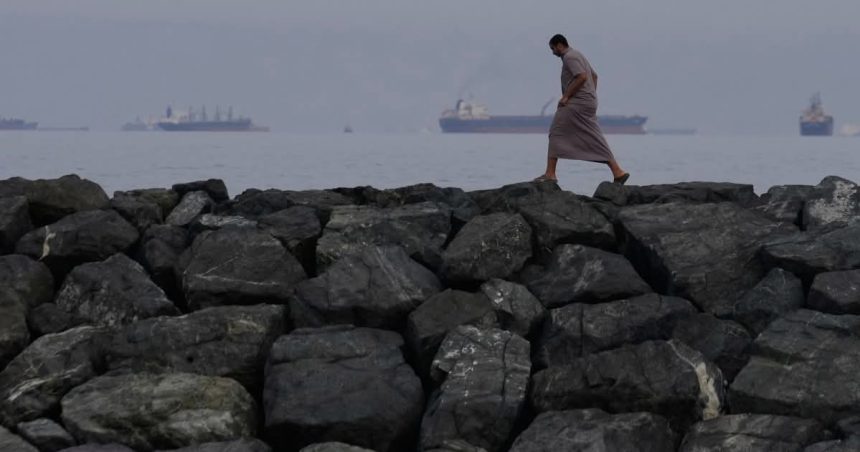
With the US-Israel war on Iran temporarily paused, Iran and China are working to reduce the dominance of the US dollar in global trade, particularly in oil transactions. Tehran has leveraged its control of the Strait of Hormuz – through which about 20% of the world’s oil passes to charge commercial vessels in Chinese yuan instead of dollars, signaling a push for the “petroyuan.”
China, which imports over 80% of Iran’s oil, benefits from lower transaction costs and strengthened trade ties under a 25-year strategic partnership signed in 2021. Experts note that this move skews toward a multipolar financial system, giving Iran a way to avoid US sanctions and China a platform to internationalize the yuan.

Despite these steps, the yuan faces major obstacles: it is not freely convertible, and global confidence in China’s financial transparency remains limited. The US dollar still dominates global reserves (57%), while the yuan accounts for just 2% and only 3.7% of cross-border trade.
Analysts describe this as gradual pressure rather than outright de-dollarization, but the trend could intensify if Iran and China maintain their strategic alliance, particularly in energy markets.