By Micah Jonah, February 27, 2026
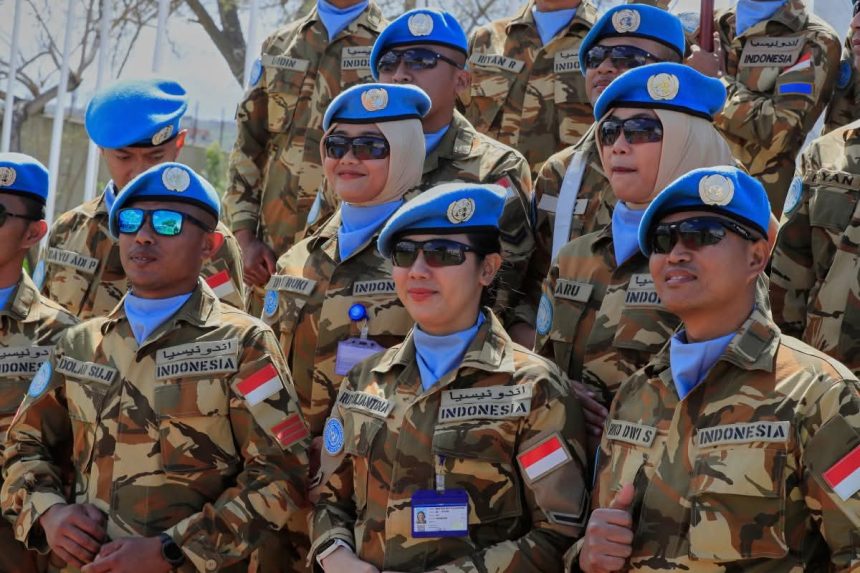
Indonesia is facing growing domestic scrutiny over plans to deploy up to 8,000 troops to Gaza as part of a proposed International Stabilization Force under United States President, Donald Trump’s Board of Peace initiative.
According to a report by Al Jazeera, Jakarta is preparing to send an initial contingent of 1,000 soldiers within weeks, with the majority expected to arrive in the Palestinian territory by June.
Indonesian army spokesperson, Brigadier General Donny Pramono said the first troops could reach Gaza by April. The deployment would mark one of Indonesia’s largest overseas military commitments in recent years.
The plan follows Indonesia’s participation in the inaugural Board of Peace meeting in Washington, DC, where President Prabowo Subianto joined other world leaders to discuss stabilisation and reconstruction efforts in Gaza.
However, the proposal has sparked debate among academics and civil society groups in Indonesia, a country long known for its strong support of Palestinian statehood and its lack of diplomatic relations with Israel.
Some analysts fear that without a clear United Nations mandate, Indonesian forces could be drawn into politically sensitive operations that may undermine Jakarta’s longstanding pro Palestine stance.
Shofwan Al Banna Choiruzzad, an associate professor at the University of Indonesia, warned that the mission risks placing Indonesia in a difficult position if it is perceived as facilitating Israeli control over Gaza.
Indonesia’s Ministry of Foreign Affairs has maintained that any deployment would focus solely on supporting Palestine’s recovery and independence, including humanitarian assistance and the dispatch of hospital ships.
Observers say President Prabowo’s decision also reflects his broader ambition to strengthen Indonesia’s global diplomatic profile. Since taking office in 2024, he has stepped up international engagements, positioning Indonesia as an active player in global peace initiatives.
Despite assurances from the government, analysts note that the success and public acceptance of the Gaza mission will depend heavily on its operational structure, oversight mechanism and alignment with Indonesia’s long held foreign policy principles.
Indonesia, home to the world’s largest Muslim population, has historically contributed troops to United Nations peacekeeping missions, including in Lebanon and the Democratic Republic of Congo. Whether the Gaza deployment follows a similar framework remains a key point of concern among critics.