Micah Jonah
March 17, 2026
Gulf Arab states are pressing the United States not to leave Iran with the capability to threaten the region’s oil lifeline, after recent attacks on Gulf ports, oil facilities, and shipping routes through the Strait of Hormuz.
Key points:
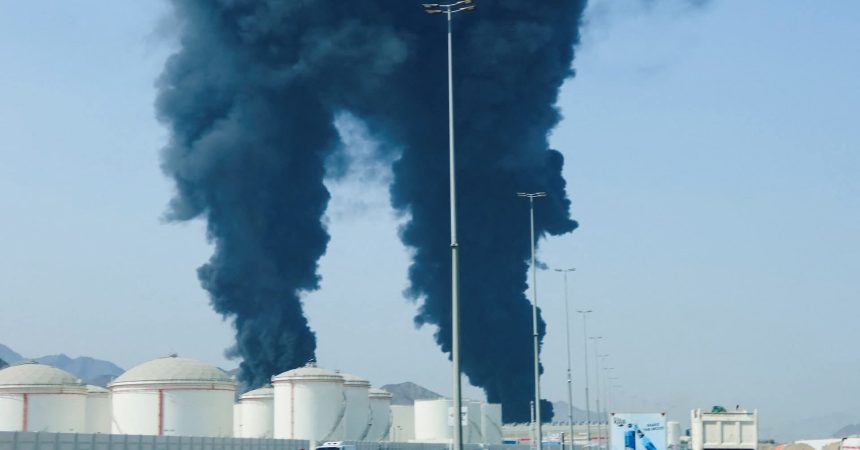
Iran has struck airports, ports, oil facilities, and commercial hubs in six Gulf countries, demonstrating its ability to disrupt energy flows.
Gulf leaders fear that stopping short could leave Iran in a position to hold the region hostage again.
While U.S. President Donald Trump seeks regional backing for the campaign against Iran, Gulf states remain wary of being drawn fully into the war.
Only the UAE publicly emphasized restraint, while reaffirming its right to safeguard sovereignty and security.
Collective Gulf military action remains off the table due to fears of retaliation and a lack of consensus among Gulf Cooperation Council (GCC) members.
Experts warn the Gulf faces a strategic dilemma: defend sovereignty without being drawn into a U.S.-Israeli-led war that could escalate uncontrollably.
The crisis underscores Iran’s leverage over the Strait of Hormuz, a key artery for global oil, affecting economies far beyond the Gulf, including China and Japan.
The Gulf states are focused on ensuring Iran’s military capabilities are comprehensively degraded while avoiding broader escalation.