By Micah Jonah
January 17, 2026
Recent claims by United States President, Donald Trump that Chinese and Russian ships are circling Greenland have raised fresh concerns about security in the Arctic, statements from those directly responsible for monitoring the region suggest that the situation may not be as alarming as portrayed.
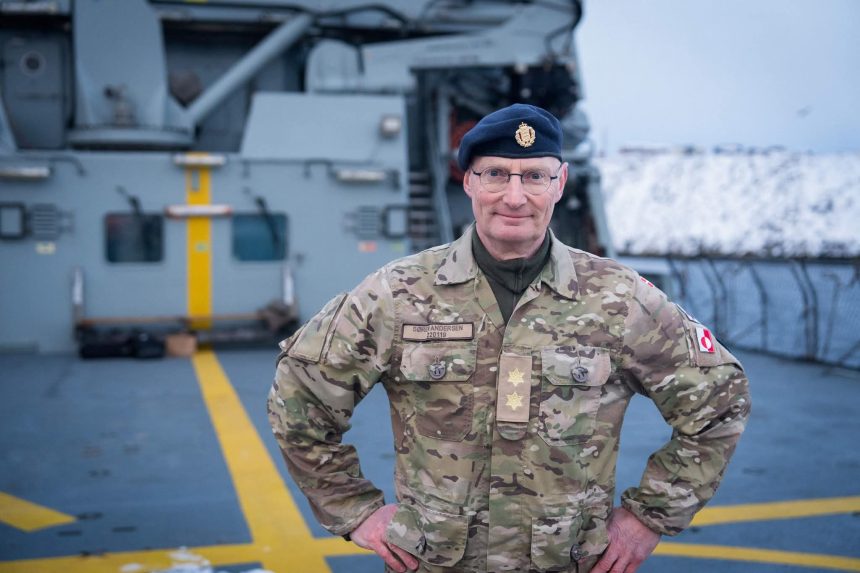
Major General Soren Andersen of Denmark’s Joint Arctic Command in Greenland has publicly denied seeing any Russian or Chinese combat vessels in the area during his two and a half years as commander. His remarks, reported by international media, directly contradict suggestions that foreign military pressure is currently building up around Greenland.
This contradiction highlights a growing problem in global politics, where dramatic statements can quickly shape public opinion, even when they are not supported by on ground military assessments. In sensitive regions like the Arctic, where strategic competition is already intense, exaggeration can fuel unnecessary tension and miscalculations.
Greenland is undeniably important to global powers because of its location, emerging shipping routes and natural resources. However, strategic interest does not automatically translate into immediate military threats. When military commanders responsible for real time surveillance say they have not observed hostile naval activity, their professional assessment deserves serious attention.
Security discussions should be rooted in verified intelligence, not political narratives that may serve domestic or diplomatic objectives. Overstating threats risks justifying military expansion, escalating rivalries and creating fear among populations that depend on stability in the region.
At a time when the world is already facing conflicts across several fronts, responsible leadership requires careful language, evidence based communication. The Arctic should not become another stage for unnecessary power posturing driven by unverified claims.
If real security concerns exist, they should be addressed through transparent cooperation between Arctic states and international monitoring bodies, not through public alarm which lacks confirmation from those tasked with protecting the region.
In the end, stability in the Arctic will depend not only on military readiness, but also on trust, diplomacy, a commitment to facts over fear-driven politics.