Micah Jonah
March 23, 2026
Global gold prices declined sharply on Monday, hitting their lowest level in nearly four months, as escalating tensions in the Middle East pushed investors to reassess their positions amid rising inflation and interest rate expectations.
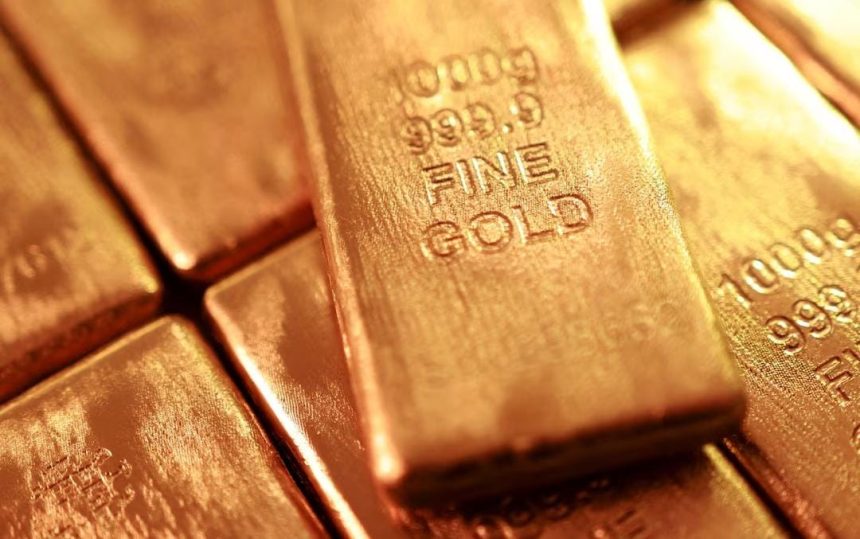
Spot gold fell about 2.7% to $4,366 per ounce, extending losses for a ninth consecutive session. The precious metal has now dropped more than 10% over the past week, reflecting a major shift in market sentiment.
Analysts say the decline is largely driven by expectations that the U.S. Federal Reserve could raise interest rates later this year instead of cutting them, as previously anticipated. Higher interest rates typically reduce the appeal of gold because it does not yield returns like bonds or savings instruments.
The ongoing conflict involving Iran and the United States has intensified pressure on global markets, particularly through its impact on energy prices. Oil prices have remained elevated above $110 per barrel, fueling concerns about rising inflation and increased costs across transportation and manufacturing sectors.
Tensions around the Strait of Hormuz – a critical passage for about one-fifth of the world’s oil supply have further heightened uncertainty. Iran has warned of potential retaliation against regional infrastructure if its energy facilities are targeted, adding to fears of prolonged disruption in global energy flows.
Despite gold’s traditional role as a safe-haven asset during times of geopolitical instability, current market conditions have produced a different outcome. Investors are increasingly shifting funds toward assets that benefit from higher interest rates, while some are liquidating gold holdings to cover losses in equities and other markets.
Other precious metals also recorded losses, with silver and platinum both declining by over 3%, while palladium remained relatively stable.
Market analysts note that the unusual trend highlights how monetary policy expectations are currently outweighing geopolitical risks in shaping investor behavior. While further escalation in the conflict could eventually support gold prices, for now, the outlook remains tied closely to interest rate movements and inflation dynamics.