By Micah Jonah
January 17, 2026
The German government and leading Holocaust memorial institutions have called on social media platforms to urgently curb the spread of artificial intelligence generated images that they say distort, trivialize the history of Nazi crimes.
In a joint letter issued this week, concentration camp memorial sites and documentation centres warned of a surge in falsified images related to the Holocaust, often referred to as AI slop, circulating widely online. The groups said the images undermine historical truth, weaken public trust in authentic records of the genocide in which more than six million Jews were murdered during World War Two.
The images include highly emotionalized, fictional scenes, such as invented encounters between camp prisoners and their supposed liberators, or children standing behind barbed wire in settings that never occurred. Memorial institutions said such content risks turning mass murder into sentimental or misleading visual narratives.
“AI generated content distorts history by trivializing, turning it into kitsch,” the organizations said in the letter dated January 13, adding that the spread of such material fuels mistrust toward genuine historical documentation.
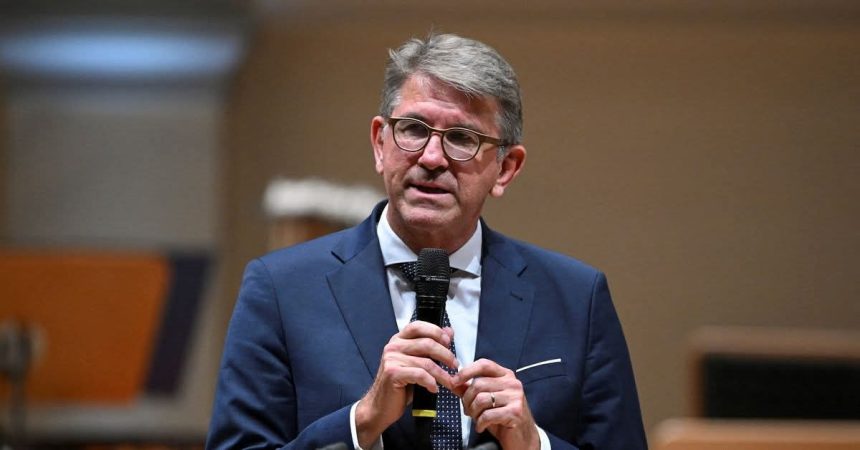
Germany’s Federal Government Commissioner for Culture and the Media, Wolfram Weimer, said he supports efforts to ensure AI generated images are clearly labelled and, where necessary, removed. He said protecting the dignity of victims and the integrity of historical memory must take priority.
“This is a matter of respect for the millions of people who were killed, persecuted under the Nazi regime of terror,” Weimer said in comments to Reuters.
The memorial institutions said some of the images appear designed to attract online engagement and generate advertising revenue, while others aim to dilute historical facts, shift responsibility between victims and perpetrators, or promote revisionist narratives.
The institutions involved include memorial centres for Bergen Belsen, Buchenwald, Dachau and other former concentration camps where Jews and other targeted groups including Roma and Sinti people, sexual minorities and people with disabilities were killed.
They urged social media companies to act proactively by identifying and limiting fake Holocaust related imagery rather than waiting for users to report it. They also called for restrictions on monetising such content.
The warning comes amid broader concern over the rapid spread of low quality AI generated text, images and video online, which experts say is polluting the information space and making it harder for users to distinguish between fact and fabrication.
German officials, historians say stronger safeguards are needed to prevent new technologies from being used to misrepresent one of the darkest chapters in human history.