RismadarVoice Reporters
March 29, 2026
Medical experts have warned that Nigeria may reverse gains made in the fight against Human Immunodeficiency Virus (HIV) if tuberculosis (TB) control is not prioritized alongside HIV interventions.
The specialists, who spoke in separate interviews, described TB and HIV as closely linked “deadly twins,” stressing that neglecting one while funding the other could undermine public health outcomes.
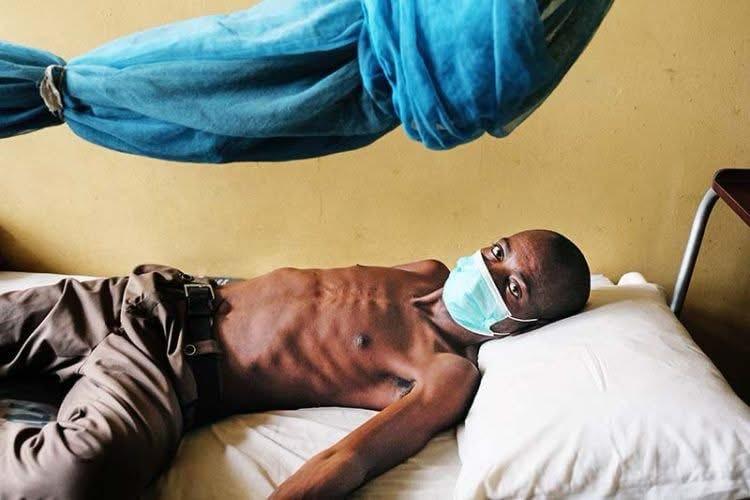
According to them, tuberculosis remains the leading opportunistic infection and cause of death among people living with HIV, particularly in developing countries where about 80 per cent of HIV patients die from TB-related complications.
They explained that HIV weakens the immune system, making individuals more susceptible to active TB infection, while TB infection also increases vulnerability to HIV, reinforcing the need for a coordinated response.
The experts raised concerns over Nigeria’s high burden of undiagnosed TB cases, noting that the country ranks among those with the largest number of “missing cases” globally. They attributed this to low public awareness, stigma, and limited access to diagnostic facilities, especially in rural areas.
They further warned that tuberculosis remains a major public health threat due to its airborne nature, with one untreated patient capable of infecting between 10 and 15 others annually.
Citing data from the World Health Organisation, the experts noted that TB continues to claim lives at an alarming rate across Africa, with one death recorded every 83 seconds. In 2024 alone, about 378,000 people died from TB on the continent, while 2.7 million fell ill.
Nigeria’s burden remains significant, with an incidence rate of 219 cases per 100,000 people in 2023. The country recorded about 440,000 TB cases in 2025, a sharp increase from 138,591 cases in 2020, according to the Minister of Health and Social Welfare, Iziaq Salako.
Despite these figures, stakeholders expressed concern over inadequate and poorly disaggregated domestic funding for TB programmes, noting that while HIV interventions have seen increased government funding, TB financing remains less visible.
They warned that continued reliance on donor funding poses a risk to sustainability, especially in the wake of global funding cuts, urging the Federal Government to increase domestic investment in TB control.
The experts also called for the integration of TB and HIV services, improved diagnostic capacity, and expanded healthcare access to ensure early detection and treatment.
They advocated community-based interventions, including active case finding and stronger collaboration with private healthcare providers, to bridge existing gaps in service delivery.
Emphasizing the importance of public awareness, they urged Nigerians to seek medical attention for persistent coughs lasting more than two weeks, noting that tuberculosis is curable and treatment is available free of charge at government facilities.
They also stressed the need to tackle stigma associated with the disease, which often discourages individuals from seeking timely diagnosis and care.
The experts maintained that a holistic, well-funded, and integrated approach is critical for Nigeria to sustain progress in HIV control while effectively combating tuberculosis.