RismadarVoice Reporters
February 8, 206
Health experts have called on the Federal Government to prioritize the production, subsidization, and nationwide availability of antivenom, as Nigeria records an estimated 43,000 snakebite cases and nearly 1,900 deaths every year.
The senior health professionals warned that limited access to the life-saving treatment continues to drive preventable deaths and long-term disabilities, particularly among rural and low-income populations.
They noted that beyond widespread scarcity, snakebite victims are required to pay between ₦180,000 and ₦250,000 per dose of antivenom, an amount equivalent to nearly four months’ income for Nigerians earning the ₦70,000 minimum wage.
The experts, who are researchers on Neglected Tropical Diseases, explained that weak health systems, poor infrastructure, and shortages of antivenom have worsened outcomes, with at least 50 per cent of health facilities in the country lacking the capacity to treat snakebite envenoming.
They urged the Federal Government to subsidize antivenom costs, import cheaper alternatives while building local production capacity, and make the treatment freely available at primary healthcare centres nationwide.
The renewed calls come amid public concern following the reported death of a 26-year-old Abuja-based singer, Ifunanya Nwangene, who reportedly died after a snakebite last Saturday.
Nwangene rose to national prominence after appearing on The Voice Nigeria in 2021 and was known for her unique fusion of jazz, opera, classical music, and soul.
According to the Toxinological Society of Nigeria, the country records approximately 43,000 snakebite cases annually, with nearly 1,900 resulting deaths.
The Society described the situation as a neglected public health emergency in a communiqué issued at the end of its 2nd Annual General Meeting on Snakebite Management and Research Interventions, held at Gombe State University.
Following Nwangene’s death, the Association of Community Pharmacists of Nigeria called on the Federal Government to make antivenom free nationwide and advocated local manufacturing to address what it described as over 2,000 preventable snakebite-related deaths recorded annually.
A report by the global Strike Out Snakebite initiative revealed that at least 50 per cent of health facilities in Nigeria lack the capacity to manage snakebite envenoming. It identified weak health systems, poor infrastructure, and shortages of life-saving antivenom as major drivers of preventable deaths and disabilities, particularly in high-burden countries such as Nigeria.
The report further disclosed that 50 per cent of health workers said their facilities lacked full capacity to treat snakebite cases, while 99 per cent reported difficulties administering antivenom, the only treatment recognized by the World Health Organization as essential for snakebite care.
In Nigeria, the findings were described as particularly troubling, with 98 per cent of healthcare workers surveyed reporting challenges in administering antivenom.
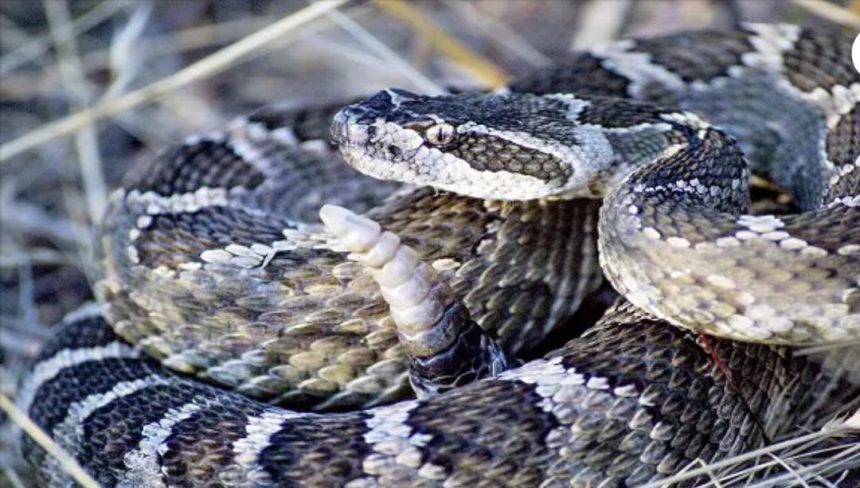
“Nigeria is home to 29 species of snakes, nearly 41 per cent of which are venomous, yet many victims still struggle to access timely medical care,” the report stated.
In 2025, at least 12 internally displaced persons in Benue State who suffered snakebites between January and August were reportedly treated with traditional medicine, as medical personnel were said to visit the camps only between Monday and Thursday.