Micah Jonah
February 22, 2026
At least eight migrants have been confirmed dead in separate incidents in Libya and Greece as desperate attempts to cross the Mediterranean Sea continue to claim lives.
In Libya, authorities recovered the bodies of five asylum seekers who washed ashore near Qasr al Akhyar, near Tripoli. A local police official said the victims included two women and described them as dark skinned migrants. Residents also reported sighting the body of a child that was swept back into the sea by strong waves.
Officials said the Libyan Red Crescent was alerted to retrieve the bodies while fears remain that more victims could be washed ashore in the coming days.
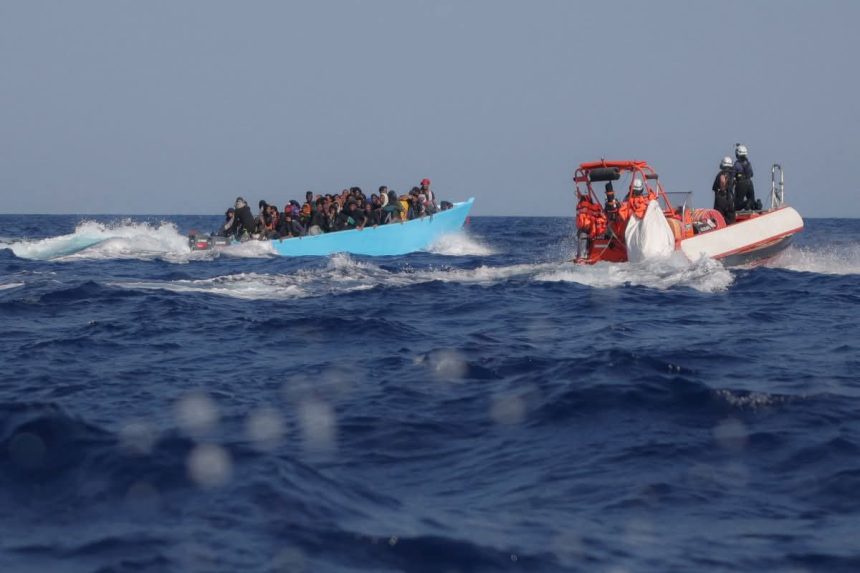
In a separate tragedy off the coast of Crete in Greece, three people lost their lives after a wooden boat carrying migrants capsized during a rescue effort. Greek authorities confirmed that at least 20 people were rescued while search operations continue with patrol boats and aircraft.
Reports indicate that many of the survivors are from Egypt, Sudan including four minors. Authorities believe about 50 people were on board the vessel when the incident occurred. Another boat carrying around 40 migrants was also spotted in the area prompting further rescue operations.
The development comes weeks after the International Organization for Migration reported dozens dead or missing in similar shipwrecks off the Libyan coast. The agency warned that harsh weather and unsafe vessels are worsening the humanitarian crisis in the central Mediterranean.
Libya remains a major transit point for migrants seeking entry into Europe especially through Greece. According to the United Nations High Commissioner for Refugees more than 16 thousand asylum seekers arrived in Crete in 2025 while over 100 deaths were recorded in Greek waters within the same period.
Human rights groups continue to call for stronger international action to prevent further loss of lives, to address the root causes driving thousands to risk the dangerous sea journey.