By Micah Jonah
January 17, 2026
Reports that the United States Justice Department has opened criminal investigations into Minneapolis Mayor, Jacob Frey and Minnesota Governor, Tim Walz come at a time when federal immigration raids in the city are already raging public anger and fear, raising questions about the use of federal power against political opponents.
Multiple media organizations reported that the investigations are linked to public comments made by the two Democratic leaders while responding to violent immigration enforcement actions in Minneapolis. The probe, first reported by CBS News, has not been publicly confirmed by the Justice Department, yet its political impact is already being felt.
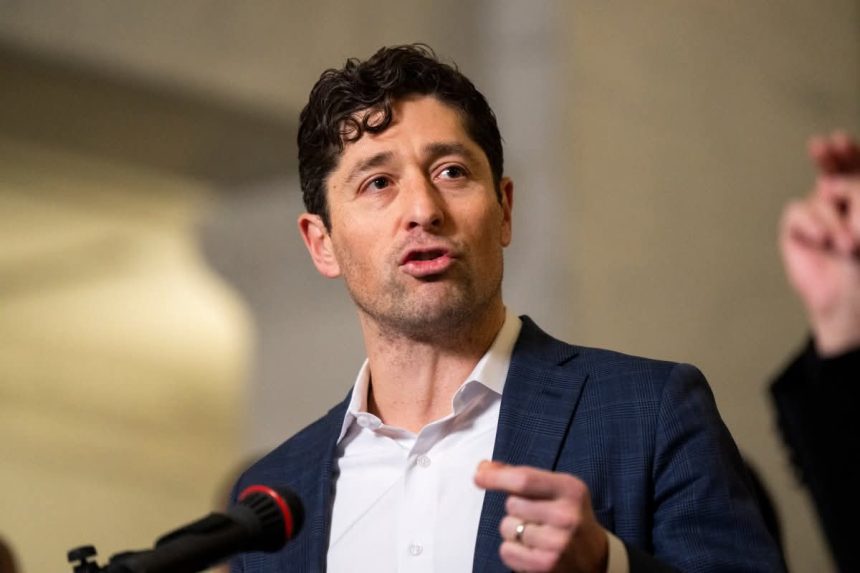
Mayor Frey has described the reported investigation as an attempt to silence him for speaking out against what he called chaos and danger, brought to the city by federal immigration operations. He insisted that he would not be intimidated and said his focus remains on public safety and support for local law enforcement and residents.
Governor Walz, who was the Democratic vice presidential candidate in the 2024 election, also condemned what he described as the weaponization of the justice system, warning that using criminal investigations against political figures is a tactic associated with authoritarian governance. He pointed to other recent cases involving Democratic leaders and senior officials now facing scrutiny from the same administration.
The political tension comes amid growing outrage over the killing of Minneapolis resident Renee Nicole Good, who was shot by an Immigration and Customs Enforcement officer during an enforcement operation last week. Fire department records indicate that she was found in her vehicle with multiple gunshot wounds and was pronounced dead shortly after being transported to hospital.
Federal authorities have stated that the officer acted in self defence and no charges have been filed. Senior officials in the Trump administration have gone further, arguing that immigration officers should have broad immunity for actions taken in the course of duty, a position that is likely to deepen public mistrust rather than restore confidence.
The combination of aggressive immigration enforcement, a civilian death and reported criminal investigations of local leaders has created a climate where law enforcement actions and political authority are becoming dangerously entangled. When political speech and public criticism of federal agencies are met with the threat of prosecution, the boundary between law enforcement and political pressure becomes blurred.
Public safety cannot be achieved through fear, nor can democracy thrive when dissenting voices are treated as legal threats. The events unfolding in Minneapolis reflect a broader national struggle over the limits of federal power, accountability of security agencies and the right of elected officials to speak for their communities.
If the justice system is perceived as a political weapon rather than an impartial institution, public trust will continue to erode. Restoring trust requires transparency, restraint and a clear separation between political disagreements and criminal prosecution, especially in moments of national tension and social unrest.