By RismadarVoice Reporter
December 7, 2025
The Nigerian Law School is regarded as the final gatekeeper of the legal profession, a place where dreams are tested, refined, and validated.
But when that gate becomes a wall with no visible human window, it raises questions a nation cannot afford to silence.
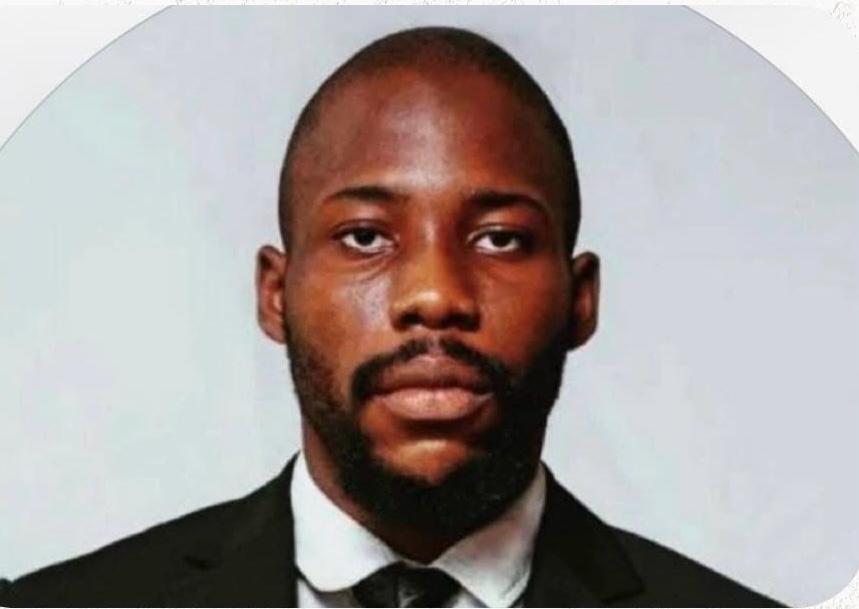
The reported death of Ayomiposi Ojajuni, a Nigerian Law School student at the Yola Campus, has shaken the conscience of many.
A young man who had survived years of academic rigour, economic hardship, and emotional stress in pursuit of a legal career allegedly died after being denied the opportunity to sit for his Bar Final examinations.
According to reports, Ojajuni became visibly distressed on the morning of December 6 after being informed that he would not be allowed to participate in the examinations, reportedly due to disciplinary queries previously issued to him.
Hours later, he was dead.
This tragic incident is more than a personal story. It is a national mirror.
Every institution has rules. Order is necessary. Discipline is essential. But there is a troubling question: When does discipline cross the line and become institutional cruelty?
Was there a counselling process?
Was there a mental health protocol?
Was there room for appeal, review, or compassion?
The law teaches that even the accused has a right to fair hearing. Should future lawyers be denied that same humanity?
Behind every law student is a story of sacrifice, family investments, sleepless nights, fear of failure, societal expectations. The Bar Final exam is not just a test; it is the border between hope and hopelessness.
For a student to be disqualified on the very morning of such a life-defining moment without visible support systems in place speaks to a deeper institutional failure, not just an administrative decision.
This is no longer just about one student. It is about a system.
•Is the Nigerian Law School equipped with mental health support for students under extreme stress?
•Are disciplinary actions handled with psychological awareness?
•Does the institution recognise that students are not just candidates, but human beings?

A society that trains its lawyers without compassion may one day find itself defending cruelty as law.
Ojajuni was rushed to the Modibbo Adama University Teaching Hospital in Yola, where he was later pronounced dead.
His dreams ended not in a courtroom, but in silence.
The tragedy is not just that he died.
The tragedy is that he died unheard.
This report is not an accusation. It is a question.
Should any academic or professional institution wield power without visible structures of empathy?
Can we truly claim to be training defenders of justice in a system that may have failed to protect the vulnerable?
Until these questions are answered openly, honestly, and transparently, Ayomiposi Ojajuni’s death will not be just a tragedy.
It will be an indictment.