Micah Jonah
January 31, 2026
Cubans across the country are slipping deeper into survival mode as prolonged power outages, rising food prices, worsening fuel shortages tighten daily life, amid increased pressure from the United States on the communist run island nation.
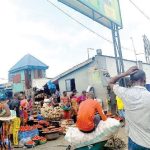
Interviews conducted by Reuters with residents across Havana show a population pushed to its limits, struggling to secure basic necessities such as food, cooking fuel, water and transportation. The situation has deteriorated rapidly in recent weeks as fuel supplies have dwindled and the national currency has sharply weakened.
Cuba’s peso has lost more than 10 percent of its value against the dollar in just three weeks, fuelling inflation and pushing staple goods further out of reach for ordinary citizens. Many residents say salaries are no longer sufficient to cover basic household needs.
While rural parts of Cuba have long endured unreliable electricity due to the country’s aging power infrastructure, the crisis is now hitting Havana, the political and economic heart of the country, where conditions had previously been more stabled. Blackouts lasting between eight and twelve hours have become routine, disrupting businesses, transportation and daily routines.
Fuel shortages have intensified after oil shipments from Venezuela and Mexico were halted.
United States President, Donald Trump has warned that tariffs would be imposed on countries supplying oil to Cuba, further tightening the noose on energy supplies. Since mid December, gasoline has largely been sold in dollars, a currency most Cubans cannot easily access.
Long queues have formed at the few fuel stations still operating, while public transportation services have been cut back. Private taxi operators have been forced to raise fares, leaving many residents with no option but to stay home. Even electric vehicles, once seen as a solution to fuel scarcity, have been rendered unreliable due to frequent blackouts that limit charging time.
Despite the severity of the situation, public protests remain rare in a country where dissent has long been restricted. Many Cubans interviewed expressed frustration and despair but were reluctant to discuss the possibility of demonstrations. Years of crackdowns on opposition and the mass emigration of up to two million people since the pandemic have weakened organized resistance.
Cuba’s Foreign Minister, Bruno Rodriguez has declared an international emergency, describing the US tariff threat as an extraordinary danger to the nation. However, the government has offered little clarity on how it plans to address the growing risk of a humanitarian crisis.
Elderly citizens and low income earners appear among the hardest hit. Some residents say they can no longer afford food after the gradual removal of government ration systems introduced following the pandemic as tourism revenue collapsed.
Traffic accidents have also increased as malfunctioning traffic lights during blackouts create dangerous road conditions. Workers report spending up to four hours daily commuting due to reduced transport services.
While many Cubans insist change is urgently needed, there is widespread pessimism that either the Cuban government or the United States will offer relief anytime soon. For now, survival has become the dominant concern for millions across the island.