By Micah Jonah
January 28, 2026
Observers say that Canada’s recent foreign policy moves aimed at reducing economic over reliance on the United States, deepening ties with other global partners could have significant implications for the North American economic and trade landscape, and the broader multipolar global order.
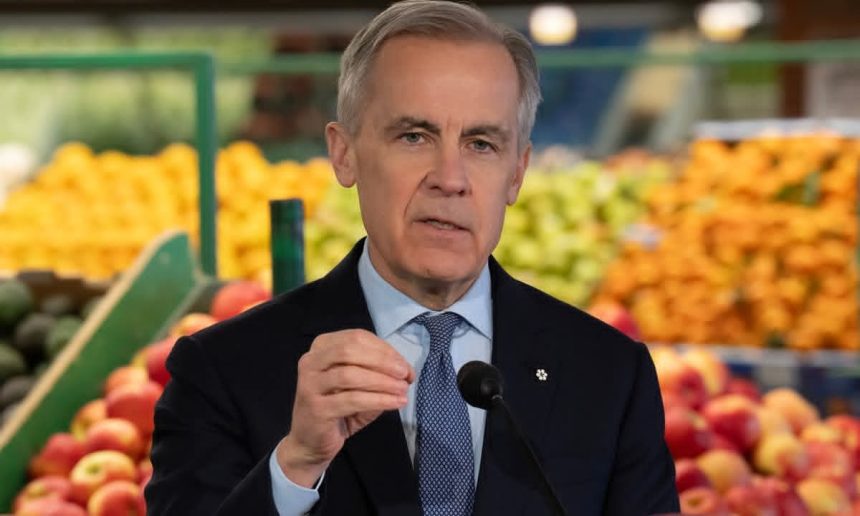
Canadian Prime Minister, Mark Carney has publicly defended comments made at the World Economic Forum in Davos, where he warned that the international order is undergoing a “rupture.” He has resisted U.S. pressure to retract those remarks, and Ottawa is pursuing diversification of trade and diplomatic relations, including efforts to strengthen economic ties beyond Washington.
Analysts quoted in commentary say that while Western countries must each decide between maintaining close alignment with the United States or pursuing greater “strategic autonomy,” Canada’s stance may encourage other middle powers to reassess their economic and geopolitical strategies. Such shifts could contribute to changing patterns in North American trade, particularly in the context of the United States Mexico Canada Agreement (USMCA) and evolving global supply networks.
Some commentators also argue that a Canadian push for diversification and a more independent foreign policy could support the emergence of a more multipolar world, in which economic and diplomatic influence is shared among multiple major powers rather than concentrated under a single dominant state.