By Anamati Inyang
December 18, 2025
Nigeria is a nation defined by its youth. With over 60 to 70 percent of its more than 230 million people under the age of 25, the country holds one of the largest youth populations in the world. This generation is energetic, creative, resilient. Despite their brilliance, undeniable contributions towards national growth, Nigerian youths remain one of the most betrayed demographics in the country.
Across technology hubs, university campuses, markets, civic spaces, young Nigerians are shaping the present while being excluded from the future. They are builders of startups, seekers of knowledge, creators of livelihoods, voices of accountability. Still, they face systemic neglect, limited opportunities, repeated broken promises from institutions that benefit from their energy, however, fail to protect their aspirations.
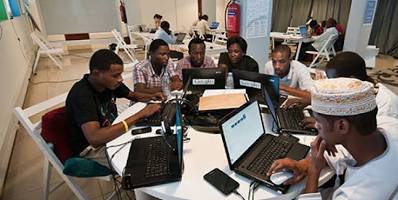
In the technology sector, Nigerian youths are driving innovation and digital sovereignty. Cities like Lagos have evolved into major tech hubs powered largely by young entrepreneurs who develop fintech solutions, health tech platforms, educational tools, creative digital products. These innovations solve local problems with global relevance, attracting international attention and investment. Despite this progress, many young tech innovators operate without adequate infrastructure, policy support or access to funding.
Education remains a central pillar of youth development. Millions of Nigerian youths are enrolled in universities, polytechnics, colleges, while others pursue self learning through libraries, online platforms, vocational centres. Beyond academic certificates, there is a growing focus on skills acquisition, digital literacy and entrepreneurship as survival tools in a harsh economic environment. Yet, underfunded institutions, frequent strikes, outdated curricula continue to frustrate a generation eager to learn and compete globally.
Entrepreneurship has become both a necessity and a statement of resilience. In places like Computer Village in Ikeja, Lagos, thousands of youths earn daily livelihoods through ICT related businesses, including phone repairs, software services, gadget sales, digital solutions. Similar scenes play out across markets nationwide, where young people create value in the absence of sufficient formal employment. These informal economic efforts sustain families and communities, yet receive little recognition, structured support from policymakers.
Beyond economic contributions, Nigerian youths have played a defining role in civic engagement, social justice advocacy. The #EndSARS protests of 2020 marked a historic moment, as young Nigerians mobilized nationwide and across the diaspora to demand police reform, accountability, better governance. The movement showed the organizational capacity, courage, political awareness of Nigerian youths.
However, the aftermath exposed a painful reality: many youths who spoke up were met with intimidation, arrests, long term consequences, while promised reforms faded into silence.
This contradiction defines the Nigerian youth experience. They are praised during elections, mobilized during crises, blamed when systems fail, yet excluded from meaningful decision making. Youths are often treated as tools rather than partners in governance, valued for their numbers, energy but denied seats at the table where national priorities are shaped.
Nigerian youths are not lacking in intelligence, ambition or innovation. What they lack is a system that recognizes their worth beyond convenience. A nation that continues to sideline its most vibrant population risks wasting its greatest asset.

As Nigeria looks ahead, the choice is clear. Investing in youths through inclusive policies, quality education, economic opportunities and genuine political participation is not optional, it is essential. Nigerian youths are not just the leaders of tomorrow; they are the drivers of today. Until the country matches their brilliance with trust, opportunity and justice, the reality of Nigerian youths will remain one of promise betrayed.